This bill protects veterans' access to VA benefits while authorizing VA health care providers to discuss and recommend state-approved medical marijuana programs.
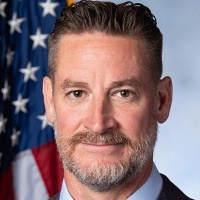
W. Steube
Representative
FL-17
The Veterans Cannabis Use for Safe Healing Act protects veterans from losing VA benefits due to their participation in state-approved marijuana programs. It also mandates that VA healthcare providers discuss and document cannabis use in treatment plans and authorizes them to provide professional recommendations regarding state-legal marijuana programs.
Veterans Cannabis Use for Safe Healing Act Ends Benefit Penalties and Opens Doctor-Patient Dialogue
The Veterans Cannabis Use for Safe Healing Act steps in to fix a long-standing contradiction for veterans living in states where marijuana is legal. Under Section 2, the bill explicitly prohibits the Secretary of Veterans Affairs from denying any VA benefits to a veteran simply because they participate in a state-approved marijuana program. This means a veteran’s access to disability payments, housing assistance, or education perks can no longer be threatened by their choice to use legal cannabis for medical or personal reasons. It’s a straightforward move to ensure that state-level legality actually translates to federal protection for those who served.
Open Books and Honest Conversations
Beyond protecting checks and benefits, the bill changes how the VA handles healthcare. It mandates that VA physicians and providers actually discuss marijuana use with veterans and adjust their medical treatment plans accordingly. Under the 'Consultation' provision, doctors are required to record this use in the veteran’s official medical records. For a veteran managing chronic pain or PTSD, this shift moves cannabis from a 'don't ask, don't tell' secret to a formal part of their health strategy, ensuring that a doctor doesn't accidentally prescribe a medication that might interact poorly with what the patient is already using.
Lifting the Gag Order on Providers
One of the most practical changes in the bill is the authorization for VA doctors to provide recommendations and opinions regarding state-approved marijuana programs. Previously, federal policy often left VA clinicians in a legal gray area, unable to give professional advice on cannabis even in states like Colorado or California. This bill removes that barrier, allowing a VA doctor to give a straight answer to a veteran asking if a state program might be right for them. It treats marijuana as a legitimate health factor rather than a legal landmine for the staff.
Real-World Integration
For a veteran working a trade job or managing a small business while dealing with service-related injuries, this bill provides a layer of professional security. They no longer have to choose between a treatment that works for them and the VA benefits they earned. By using the definitions of 'marijuana' from the Controlled Substances Act and 'state' from Title 38, the bill ensures there is no confusion about where these rules apply. It’s a move toward a more integrated healthcare reality, where a veteran’s medical record reflects their actual life without putting their livelihood at risk.