This bill mandates that the Department of Defense develop and submit a strategic plan for the deployment of Airborne Collision Avoidance SystemX (ACASX) technology across all military aircraft.
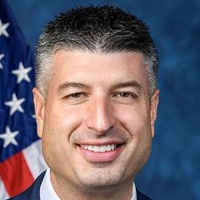
Tom Barrett
Representative
MI-7
The Military Next-Gen Collision Avoidance Act of 2026 mandates that the Department of Defense develop and submit a strategic action plan for deploying Airborne Collision Avoidance SystemX (ACASX) technology across its military aircraft fleet. This legislation requires the Secretary of Defense to outline necessary funding, research, and implementation steps to enhance aviation safety and ensure compatibility with existing surveillance systems.
Military Next-Gen Collision Avoidance Act Mandates New Safety Tech Roadmap Within 180 Days
The Military Next-Gen Collision Avoidance Act of 2026 is essentially a high-tech safety upgrade for the skies. The bill requires the Secretary of Defense to deliver a comprehensive action plan within 180 days to deploy the Airborne Collision Avoidance SystemX (ACASX) across the military’s entire fleet. Think of ACASX as a highly sophisticated version of the blind-spot monitoring or automatic braking in your car, but designed for supersonic jets and heavy transport planes. By mandating a strategic roadmap, the bill aims to move military aviation beyond older systems and into a future where mid-air collisions are prevented by smarter, faster algorithms.
Mapping the Flight Path
This isn’t just a vague suggestion to 'fly safer.' The bill (Section 2) specifically lists several variants of the technology—like ACASXa and ACASXu—tailored for different types of aircraft, including drones. For the pilots in the cockpit and the crews on the ground, this means a standardized safety net. The plan must detail exactly how much money is needed for testing and certification, ensuring that the tech isn't just purchased, but actually proven to work under military conditions. If you’re a taxpayer or a defense contractor, this section is the 'fine print' that matters: it demands a clear budget and a timeline for moving from the lab to the runway.
Communicating in the Clouds
One of the most practical parts of this bill involves how these new systems will talk to the ones we already have. The Secretary must evaluate how ACASX will integrate with ADS-B (Automatic Dependent Surveillance-Broadcast) equipment. In plain English, ADS-B is the current tech that lets planes broadcast their position to each other and to air traffic control. For a civilian pilot flying a Cessna or a commercial pilot hauling passengers, this integration is crucial. It ensures that when a military jet is in the same neighborhood, both the military and civilian systems are speaking the same language, reducing the risk of a tragic misunderstanding in crowded airspace.
From Paper to Pilot Safety
While the bill sets a firm deadline for the plan, the real-world impact depends on what the Secretary calls 'appropriate steps' for implementation. Because the bill has a 'medium' level of vagueness regarding the actual rollout, there is a bit of a 'wait and see' element. We know the plan is coming, and we know it must include safety benefit assessments, but the bill doesn't set a hard date for when every single aircraft must have the tech installed. For the families of service members, this is a major step toward modernizing safety, but the speed of the rollout will ultimately depend on how the Department of Defense handles the 'administrative recommendations' mentioned in the text.