This bill transfers the administration of various federal education and job training programs for Native American, Alaska Native, and Native Hawaiian communities from the Department of Education to the Department of the Interior.
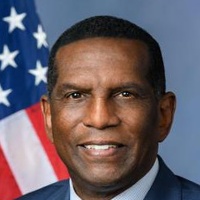
Clarence "Burgess" Owens
Representative
UT-4
The "Less Bureaucracy, Better Tribal Education Act" proposes transferring the administration of numerous federal education and job training programs for Native American, Alaska Native, and Native Hawaiian communities from the Department of Education to the Department of the Interior. This legislation aims to streamline oversight and consolidate these programs under a single agency while ensuring no net increase in the federal workforce. The bill also mandates formal tribal consultation to guide the transition process.
Tribal Education Overhaul: 22 Federal Programs to Move from Department of Education to Interior Department Control
The 'Less Bureaucracy, Better Tribal Education Act' is a major administrative reshuffle that moves 22 specific education and job training programs out of the Department of Education and hands them over to the Department of the Interior. This isn't just a name change on a building; it involves shifting everything from grants for Alaska Native students to vocational rehab for American Indians and special education funding for tribal infants. The bill sets a hard rule that this move cannot result in hiring more federal employees, and it requires the Secretary of Education to sit down with Tribal leaders for a formal consultation within six months before the big move begins.
One Stop for Tribal Services
Right now, a Tribal leader or a student might have to deal with the Department of Education for a career grant and the Department of the Interior for other tribal matters. This bill attempts to fix that 'ping-pong' effect by putting these programs under the Interior Department, which already handles most other federal-tribal relations. For example, if you are a student at a Tribally Controlled College, your school’s federal funding and administrative rules would now come from the same department that manages tribal land and resources. The goal is to cut through the red tape of dealing with two massive agencies, but the success of this move depends on whether the Interior Department—which isn't primarily an education agency—can handle the complex technical requirements of modern schooling as well as the Department of Education did.
The 'No New Hiring' Clause
Section 5 of the bill includes a strict 'budget-neutral' requirement: the Director of the Office of Management and Budget (OMB) must certify that this reorganization doesn't increase the total number of full-time federal employees. In the real world, this means the government has to do more with the same amount of people. While this sounds great for taxpayers, it could be a headache for the staff on the ground. If you’re a federal employee working on these programs, your job might be physically moving to a different department, or your responsibilities might be merged with someone else's. The challenge here is making sure that during this 'musical chairs' of personnel, the actual services—like processing a grant for a Native Hawaiian career center—don't get lost in the shuffle.
Transition and Tribal Voice
This isn't happening overnight. The bill includes a 'savings provision' in Section 8, which is basically a legal safety net ensuring that any current grants, loans, or lawsuits don't just disappear during the move. If a tribal school has an active contract today, that contract stays valid even after the Department of Interior takes over. Crucially, Section 10 forces the government to listen before they act; the Secretary of Education must respond in writing to Tribal feedback and post those responses online. Most of the changes won't fully kick in until one year after that consultation process is finished, giving communities a bit of a lead time to figure out who their new point of contact will be in Washington.