The Federal Jobs for STARs Act of 2026 mandates the removal of unnecessary degree requirements for federal positions and creates new pathways for hiring and training individuals who have developed skills through alternative routes.
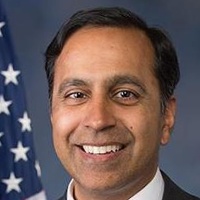
Raja Krishnamoorthi
Representative
IL-8
The Federal Jobs for STARs Act of 2026 aims to expand federal employment opportunities for skilled workers without bachelor’s degrees by removing unnecessary educational requirements. The bill directs the Office of Personnel Management to prioritize skills-based hiring, create dedicated job search pathways, and study new training and educational support programs for these employees.
Federal Jobs for STARs Act Proposes Ditching Degree Requirements for Skilled Workers Without a Bachelor's
The federal government is looking to change the game for how it hires, moving the focus from what's on your diploma to what you can actually do. The Federal Jobs for STARs Act of 2026 aims to open up executive agency positions to "STARs"—individuals who are Skilled Through Alternative Routes. We're talking about people who have built their expertise through community college, military service, bootcamps, or years of grinding it out on the job rather than a traditional four-year degree. Under Section 3, the Office of Personnel Management (OPM) would be required to strip away minimum education requirements for federal roles unless they can prove that a specific degree is the only way to get the skills needed for the job.
Skills Over Certificates
For anyone who has spent years mastering a trade or coding in a bootcamp only to be ghosted by automated HR filters, this bill is a potential life-changer. It directs the OPM to create new regulations that prioritize "knowledge, skills, and abilities" over formal degrees. Imagine a veteran who managed complex logistics in the field or a self-taught IT specialist who has been running a small business's network for a decade; under this Act, they wouldn't be automatically disqualified from a federal career just because they don't have a bachelor's degree. To make sure this actually happens, Section 3 also mandates that USAJOBS.gov—the notoriously clunky federal hiring portal—gets a dedicated path so STAR workers can easily find and filter for these positions.
The "Necessary" Loophole
While the bill pushes for a skills-first approach, there is a bit of a gray area regarding who decides what is "necessary." Section 3 gives the OPM Director the power to determine if a degree is truly essential for a role. This is where things could get a bit murky for the average applicant. If the criteria for these exceptions aren't crystal clear, some agencies might try to keep their old degree requirements by arguing their roles are uniquely specialized. For a mid-career professional looking to pivot into government work, the success of this bill hinges entirely on how strictly the OPM audits these agencies to ensure they aren't just slapping "degree required" back onto job postings under a different name.
Growth on the Clock
The legislation doesn't just stop at getting you in the door; it looks at how to keep you moving up. Section 4 orders a feasibility study to see how the government can help STAR employees get even more training while they are already on the payroll. Within 180 days, officials have to report back on the possibility of offering fellowships, scholarships, and tuition assistance. For a working parent or someone balancing a mortgage, the prospect of getting a federal job based on current skills and then having a path to further education—paid for by the employer—could be a massive boost to long-term financial stability and career growth.