The National Fraud Enforcement Division Act of 2026 establishes a dedicated division within the Department of Justice to lead, coordinate, and prosecute large-scale fraud investigations affecting the federal government and U.S. citizens.
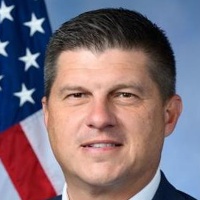
Brad Finstad
Representative
MN-1
The National Fraud Enforcement Division Act of 2026 establishes a dedicated division within the Department of Justice to centralize and strengthen the federal government's response to sophisticated fraud. Led by a Senate-confirmed Assistant Attorney General, this division will oversee multi-jurisdictional investigations, coordinate national enforcement priorities, and propose systemic reforms to protect federal programs and U.S. citizens.
DOJ to Launch National Fraud Enforcement Division: A New Federal Shield Against Scams and Program Abuse
The National Fraud Enforcement Division Act of 2026 creates a dedicated powerhouse within the Department of Justice specifically tasked with hunting down fraud. Led by a Senate-confirmed Assistant Attorney General, this new division will centralize the fight against scams that target U.S. citizens, federal programs, and the government’s own wallet. By establishing national enforcement priorities and overseeing multi-agency investigations, the bill aims to turn a fragmented federal response into a unified front against sophisticated criminal schemes.
Centralizing the Fraud Fight
Currently, fraud investigations can be a bit of a jurisdictional jigsaw puzzle, often bouncing between local U.S. Attorneys and various federal agencies. Section 2 of the bill changes the game by putting one person—the new Assistant Attorney General—in charge of the big picture. This leader is responsible for coordinating multi-district investigations and providing a direct line of advice to U.S. Attorneys across the country. For a small business owner who has seen their industry’s reputation tarnished by bad actors or a taxpayer worried about their hard-earned money being siphoned from federal programs, this means more eyes on the ball and fewer criminals slipping through the cracks of bureaucracy.
From Prosecution to Prevention
This isn't just about throwing the book at scammers after the damage is done; the bill explicitly tasks the new division with proposing legislative and regulatory reforms to close systemic vulnerabilities. Think of it like a home security expert who doesn't just catch the burglar but also tells you exactly how to fix the broken lock on the back door. By identifying the 'how' behind organized fraud, the division is mandated to suggest ways to prevent future abuses before they start. For everyday people, this could mean more secure federal portals and better protections for personal data used in government-funded programs.
Real-World Reach and Resource Shifting
Because the bill covers fraud affecting 'U.S. citizens' and 'Federally funded programs,' its reach is massive. It could range from tackling massive healthcare billing scams that drive up costs for everyone to shutting down multi-state identity theft rings. However, with the power to 'develop national enforcement priorities,' the division will essentially decide which fires to put out first. While this ensures resources go to high-impact cases, it also means the DOJ's focus could shift depending on the administration in power. The goal is a more efficient system that protects the public, though the real-world success will depend on how the division balances its massive workload without letting smaller, local fraud cases fall by the wayside.