This bill prohibits high-level federal officials, their families, and key staff from owning or trading individual stocks and participating in political prediction markets to prevent conflicts of interest.
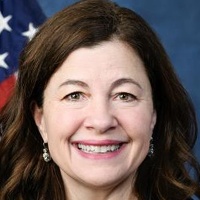
Kristen McDonald Rivet
Representative
MI-8
The "No Profiting from Public Service Act" prohibits high-level federal officials, their spouses, and dependent children from owning or trading individual stocks, commodities, and other financial derivatives. The bill mandates the divestiture of these assets into qualified blind trusts and bans participation in political prediction markets to prevent conflicts of interest. Violations of these restrictions are subject to significant financial penalties and mandatory public disclosure.
New Ethics Bill Bans Congress from Trading Stocks: 90-Day Clock to Sell or Trust Assets Starts Soon
The 'No Profiting from Public Service Act' is a direct swing at the long-standing issue of government officials making money off the very markets they regulate. At its core, the bill bans Members of Congress, the President, Vice President, and high-level federal employees from owning or trading 'covered investments'—think individual stocks, commodities, and complex derivatives like options. If this passes, these officials have exactly 90 days to either sell their holdings at fair market value or move them into a 'qualified blind trust' where they no longer have control over the buying and selling. It also puts a hard stop on 'prediction markets,' meaning officials can’t bet on the outcome of elections or policy changes like they’re playing a digital sportsbook.
Cleaning Up the Portfolio
For a typical office worker or tradesperson, your 401(k) usually consists of broad mutual funds where you don't pick the individual companies. This bill forces federal officials to play by similar rules. Under Section 2, they can still hold diversified mutual funds, ETFs, and U.S. Treasury bonds, but they have to ditch the specific company stocks that create a conflict of interest. For example, a Member of Congress sitting on a committee that oversees tech regulations would no longer be allowed to hold individual shares in a major software company. The bill even extends these rules to spouses and dependent children, though there is a 'primary occupation' exception. This means if an official’s spouse is a professional stockbroker, they might still be able to trade as part of their job, but the bill leaves some room for interpretation on how strictly that will be monitored to prevent 'pillow talk' insider trading.
The Cost of Breaking the Rules
This isn't just a suggestion; the bill puts some teeth into enforcement. If an official gets caught trading prohibited stocks or betting on political outcomes, they face a fine equal to 10 percent of the investment's value. Plus, they have to 'disgorge'—or give back—any profits they made from the illegal trade. To make sure these penalties actually hurt, the bill specifically says officials cannot use campaign donations or taxpayer-funded office accounts to pay the fines. They have to pay out of their own pockets, and they can’t even claim the losses as a tax deduction. All these fines will be posted on a public website, so you can see exactly who got caught and how much they had to pay.
Real-World Hurdles and Loopholes
While the bill aims for transparency, there are a few grey areas that might cause headaches. The definition of a 'diversified' fund is a bit flexible; it generally means a fund that doesn't focus on one specific industry, but there’s enough wiggle room that an official might try to argue a tech-heavy fund is still 'diversified.' There’s also the 90-day divestiture window. If the market is crashing when an official is forced to sell, they might face significant financial hits, which could lead to requests for extensions. Additionally, while the bill blocks officials from using LLCs to hide investments, it does allow them to keep interests in small family businesses and farms. This is great for a Representative who still owns a piece of the family ranch, but it requires a watchful eye to ensure these 'small businesses' aren't being used as a backdoor for other types of prohibited financial gain.