The 21st Century Federal Writers’ Project Act establishes a National Endowment for the Arts grant program to document and preserve the diverse history, culture, and lived experiences of the American people through a modern-day revival of the historic Federal Writers’ Project.
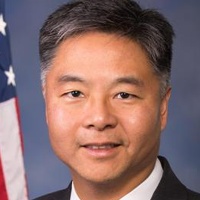
Ted Lieu
Representative
CA-36
The 21st Century Federal Writers’ Project Act establishes a grant program under the National Endowment for the Arts to document the diverse history, culture, and lived experiences of the American people. Modeled after the original 1930s initiative, this program will employ writers, photographers, and documentary artists to create a comprehensive, publicly accessible record of contemporary American life. The resulting works will be archived by the Library of Congress and distributed to the public to foster national unity and preserve our shared heritage.
New Federal Writers’ Project Aims to Hire Creatives to Document American Life for the 250th Anniversary.
Imagine a time capsule, but instead of burying a few trinkets in the backyard, the government pays professional storytellers to capture what it actually feels like to live in your town right now. That is the core of the 21st Century Federal Writers’ Project Act. Drawing inspiration from the 1930s program that gave us the famous American Guide Series, this bill tasks the National Endowment for the Arts (NEA) with creating a massive, modern-day documentary of the U.S. as we approach our 250th birthday. It is not just about dusty history books; the bill specifically includes photography, audio recordings, and digital media to ensure the 'lived experience' of Americans—from rural farmers to city baristas—is preserved for the future.
Putting Creatives to Work
The bill sets up a competitive grant system where non-profits, state arts agencies, and tribal organizations can apply for funding to hire local talent. If you are a freelance writer, photographer, or journalist (specifically those in occupational categories 25-0000 and 27-0000), these grants are designed with you in mind. Unlike many federal grants that require a 'matching' contribution—meaning the organization has to come up with half the money themselves—this bill waives that requirement. This is a big deal for smaller, local non-profits that have the talent but lack the cash flow, making it easier for a small-town historical society to hire a local photographer to document their community’s changing landscape.
The Editorial Roadmap
Because this is a government-funded project, there is a significant focus on quality control. Within 180 days, the NEA must appoint a five-member advisory panel and hire an 'editor-in-chief' to keep everything on track. This team will create an 'editorial framework' to ensure the work is factually accurate and covers the whole country fairly. While this helps keep the project professional, the 'Medium' vagueness of terms like 'editorial consistency' means the people in charge will have a lot of say over what stories get told. To keep things transparent, the bill requires all finished works to be sent to the Library of Congress and made available to the public in a searchable repository, so you can actually see what your tax dollars are producing.
From Local Stories to National Archives
The real-world impact here is twofold: immediate jobs for the creative class and a long-term cultural record. For a journalist in a 'news desert' or a documentary filmmaker in a tribal community, this could mean a steady paycheck for a project that matters. For the rest of us, it means a richer archive of our shared culture. The bill even allows the NEA to partner with commercial publishers to turn these stories into books or digital series. While the NEA can keep 20% of the funds for administration, the bulk of the money is intended to hit the ground, ensuring that when future generations look back at the 2020s, they see more than just social media feeds—they see a professionally curated portrait of American life.