This bill mandates that the Small Business Administration conduct a comprehensive study and report on the challenges, needs, and oversight of for-profit child care providers to inform future legislative improvements.
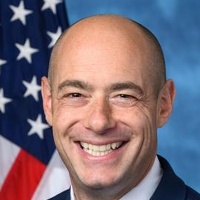
Greg Landsman
Representative
OH-1
The Child Care Small Business Insight and Improvement Act of 2026 mandates that the Small Business Administration conduct a comprehensive study on the challenges, needs, and resource gaps facing for-profit child care providers. This report will provide Congress with actionable recommendations to improve support for these businesses while identifying strategies to prevent the misuse of federal funds. The initiative aims to strengthen the sector without requiring additional federal appropriations.
SBA to Review For-Profit Child Care Challenges: New Report Mandate Sets 120-Day Deadline for Small Business Support Strategy.
The Child Care Small Business Insight and Improvement Act of 2026 is essentially a deep-dive request for the Small Business Administration (SBA). It gives the agency 120 days to hand over a comprehensive report to Congress detailing exactly what’s going on with for-profit child care providers. Think of it as a diagnostic check-up: the SBA has to figure out what these businesses need to survive, what resources are already on the table, and—more importantly—where the current system is failing them. For a local daycare owner struggling with overhead or a parent seeing tuition spikes because their provider can’t get a business loan, this report is the first step toward potential legislative fixes.
Mapping the Gaps
This isn't just a generic survey. Under Section 2, the SBA must identify specific 'deficiencies' in the support they currently offer. This matters because for-profit child care centers often fall into a weird gap—they are essential community infrastructure, but they operate as small businesses that face massive regulatory hurdles and thin margins. If you’re running a center in a converted storefront or a suburban office park, this bill aims to pinpoint why the SBA’s existing tools might not be working for you. The report also requires recommendations for 'leadership needs,' which is policy-speak for figuring out who at the SBA should actually be in charge of making sure child care businesses don't go under.
The Fraud and Funding Reality Check
There’s a bit of a 'trust but verify' vibe here too. The bill specifically asks for an accounting of fraud within the for-profit child care sector and wants recommendations on how to stop people from misusing federal funds. It’s a move to ensure that if more money eventually flows to these businesses, it actually goes toward classrooms and staff rather than being pocketed by bad actors. However, there is a practical catch: the bill explicitly states that 'no additional federal funds' are being provided to write this report. This means the SBA has to pull staff and time away from their current duties to get this done within the four-month window, which could be a tall order for an already busy agency.
Defining the Players
To keep things precise, the bill uses a specific definition for 'for-profit child care provider.' It builds on existing law (the Child Care and Development Block Grant Act of 1990) but adds two strict requirements: the business must be for-profit and must operate within the U.S. or its territories. By tightening this definition, the bill ensures the resulting data isn't skewed by non-profits or international firms. For the software developer or the construction worker relying on a local for-profit center to watch their kids, the goal of this data collection is to eventually clear the path for more stable, better-supported child care options in their neighborhoods.