The No Oil Profits for Enemies (NOPE) Act of 2026 mandates congressional oversight for any executive actions involving Russian energy sanctions until the war in Ukraine is resolved.
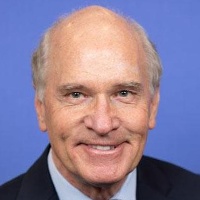
William Keating
Representative
MA-9
The No Oil Profits for Enemies (NOPE) Act of 2026 strengthens congressional oversight of sanctions against the Russian Federation, specifically requiring legislative review for any executive actions involving Russian energy products. The bill mandates that these energy-related sanctions remain in place until the Russian government ends its war in Ukraine and commits to providing war reparations. Additionally, the Act provides narrow exceptions allowing the President to take emergency energy-related actions for safety, environmental, or urgent international economic purposes.
NOPE Act of 2026: Congress Tightens Grip on Russian Oil Sanctions with New Veto Power
The 'No Oil Profits for Enemies Act of 2026' (or the NOPE Act) is a significant move to shift the power balance between the White House and Congress regarding how the U.S. handles Russian energy. At its core, the bill expands Section 216 of the Countering America’s Adversaries Through Sanctions Act to ensure that any executive order or licensing change involving Russian crude oil, natural gas, or petroleum products must go through a rigorous congressional review process. Essentially, it puts a 'lock' on the current sanctions regime that only a specific set of geopolitical conditions can open.
The Long Road to Normalcy
Under this bill, the 'special review period' for energy sanctions doesn't just expire on a set date. Instead, it stays in effect until the Secretary of State and other top intelligence officials certify that the Russian government has ended the war in Ukraine and committed to a 'just peace settlement' that includes paying for war damages. For a regular person, this means that energy trade with Russia is likely to remain restricted for the foreseeable future. If you work in a sector that relies on global energy price stability, like logistics or manufacturing, this bill signals that the 'new normal' of avoiding Russian supply is being codified into long-term law, making it much harder for any future President to quietly lift sanctions to lower fuel prices without a public debate in Congress.
The Emergency Exit
While the bill tightens the leash on the President, it does include some 'break glass in case of emergency' clauses in Section 2. The President can bypass the usual waiting period for specific energy-related actions if they are necessary to save the crew of a ship, conduct emergency environmental repairs, or—most notably—to 'mitigate an economic impact in a foreign jurisdiction.' This last part is a bit of a wildcard. For example, if a key U.S. ally in Europe faces a sudden, catastrophic energy shortage, the President could theoretically green-light a specific shipment or license to keep their grid online without waiting for a congressional vote. It’s a pragmatic safety valve, but the language is broad enough that it could become a point of contention if a President uses it to soften sanctions for political rather than strictly humanitarian reasons.
Who Feels the Heat?
The most direct impact will be felt by the Russian energy sector and the global entities that transport their products. By making sanctions harder to repeal, the bill creates a high-stakes environment for shipping companies and insurers who have to navigate these legal waters. For the rest of us, the impact is more about the 'price of policy.' While the bill aims to hold Russia accountable, keeping a major global energy producer sidelined through strict legislative hurdles can contribute to price volatility at the pump or in heating bills. It’s a classic trade-off: using economic leverage to pursue a 'just peace' while accepting that the global energy market will remain tight and unpredictable as a result.