This Act strengthens mental health parity enforcement by imposing civil monetary penalties on health plans and providers for non-compliance and authorizing dedicated funding for the Department of Labor to oversee these requirements.
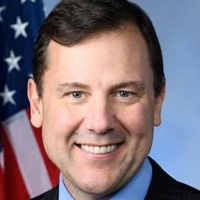
Thomas Kean
Representative
NJ-7
The Mental Health Parity Enforcement and Funding Act strengthens the enforcement of mental health and substance use disorder parity requirements by authorizing the Department of Labor to impose civil monetary penalties on plan administrators and insurance issuers for non-compliance. The bill also removes existing procedural barriers to enforcement and provides $30 million in annual funding through 2031 to support the Employee Benefits Security Administration in overseeing these standards.
Mental Health Parity Act Hits Insurers with $100 Daily Fines for Unequal Coverage
If you’ve ever tried to find a therapist only to realize your insurance makes you jump through ten hoops while they’d cover a broken leg with one, you’ve felt the 'parity gap.' The Mental Health Parity Enforcement and Funding Act is designed to close that gap by putting some actual teeth into existing laws. Specifically, it amends the Employee Retirement Income Security Act (ERISA) to hit insurance companies and plan administrators where it hurts: their wallets. Under Section 2, if a plan fails to treat mental health or substance use disorder benefits the same way they treat medical or surgical ones, they can be fined up to $100 per day for every single person affected by that noncompliance.
Putting a Price on Fairness
For a long time, the Department of Labor has had the rules but lacked the 'teeth' to enforce them effectively against the people who actually run your health plan. This bill changes the game by expanding who can be penalized. It’s no longer just the employer sponsoring the plan; the new rules apply to service providers, plan administrators, and the insurance companies themselves. Think of it like this: if a software developer needs treatment for burnout or a construction worker needs help with substance abuse, and their insurance company creates arbitrary barriers that don't exist for physical injuries, that company is now on the hook for daily fines that can add up fast across thousands of employees.
Clearing the Bureaucratic Hurdles
One of the biggest 'inside baseball' changes here is how the bill handles enforcement. Previously, the Secretary of Labor faced procedural roadblocks that made it nearly impossible to actually collect these penalties. Section 2 explicitly removes those barriers, giving the government a clear path to hold insurers accountable. It’s like finally giving a traffic cop the authority to actually write the ticket instead of just giving a stern warning. For you, this means your insurance provider has a massive financial incentive to make sure their mental health coverage isn't just a secondary thought, but a fully compliant part of your benefits package.
Funding the Watchdogs
Good rules don't mean much if there’s no one to enforce them. To make sure this isn't just a paper tiger, Section 3 of the bill earmarks $30 million every year from 2027 through 2031 specifically for the Employee Benefits Security Administration. This money is dedicated to hiring the staff and building the systems needed to monitor insurance plans and investigate violations. While these changes won’t kick in immediately—the penalties apply to plan years starting more than one year after the bill becomes law—it sets a clear deadline for insurers to get their acts together or start paying up.