This bill, the STRONG Act, directs the Office of Management and Budget to consider creating a distinct occupational code for strength and conditioning coaches within the Standard Occupational Classification system.
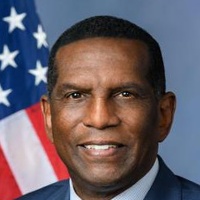
Clarence "Burgess" Owens
Representative
UT-4
This bill, the STRONG Act, directs the Office of Management and Budget to consider creating a distinct occupational code for strength and conditioning coaches within the Standard Occupational Classification system. This change aims to accurately recognize the specialized work these professionals perform in improving physical performance and reducing injury risk for athletes, first responders, and military members. If a separate code is not established, the Director must report the reasoning to Congress.
STRONG Act Proposes New Federal Job Code for Strength and Conditioning Coaches to Better Track the Profession
The STRONG Act aims to give strength and conditioning coaches their own identity in the eyes of the federal government. Currently, the Office of Management and Budget (OMB) uses a system called the Standard Occupational Classification (SOC) to track who is working in what field. Right now, these coaches are often lumped in with athletic trainers or physical therapists, which is a bit like grouping a software engineer with a hardware technician—they work in the same building, but their day-to-day tasks and required certifications are totally different. This bill requires the OMB to consider creating a unique code for these professionals within the Healthcare Practitioners group during their next system update.
Putting a Name to the Face
Strength and conditioning coaches aren't just the people yelling at you to do one more rep at the local gym. The bill points out that these professionals are increasingly vital for high-stakes groups like law enforcement, first responders, and the military, where physical readiness is a matter of safety. By establishing a separate code, the government can finally collect accurate data on how many people are actually in this field and what they’re earning. For a coach working at a university or for a police department, this means being recognized for the specific bachelor’s degrees and 300+ hours of supervised field experience they have to complete to get certified.
The Paperwork Trail
This isn't just a suggestion that disappears into a vacuum. If the OMB Director decides not to create this new category after reviewing it, they have to file a formal report to Congress within 30 days of the next system revision explaining exactly why they passed on it. It’s a way to ensure the specialized nature of the work—which focuses on injury prevention and physical prep rather than just injury rehab—doesn't get ignored. For the average person, this change is mostly administrative, but it helps ensure that when we look at labor statistics or healthcare trends, we’re actually comparing apples to apples.
No New Tab to Pick Up
One of the most straightforward parts of the STRONG Act is the price tag: zero. The bill explicitly prohibits any new funds from being authorized to make this happen. It’s essentially a directive to use existing resources to fix a clerical oversight. While it won't change your daily workout, it does provide a clearer picture of a growing workforce that keeps our first responders and athletes in peak condition, ensuring their professional standing matches the rigorous training they put in.