This bill establishes a grant program to support the integration of comprehensive school-based health services into community schools.
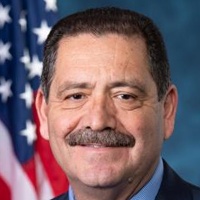
Jesús "Chuy" García
Representative
IL-4
The Community Schools and Health Equity Act establishes a competitive grant program to integrate comprehensive school-based health services into community schools. Administered by the Secretary of Education, these funds support expanding health services, hiring essential staff, and providing wraparound support for students and families. The program prioritizes applicants serving high-need populations and requires coordination between education and health agencies.
New Grant Program Funds School-Based Health Clinics and Social Support Services for Students
The 'Community Schools and Health Equity Act' aims to turn local schools into one-stop shops for health and social services. By establishing a competitive grant program run by the Department of Education, this bill provides funding for schools to go beyond the classroom. Recipients can use these funds to hire more school nurses and mental health professionals, or even partner with local health centers to provide primary care right on campus. It is a major shift toward the 'community school' model, where the building stays open for more than just algebra—it becomes a hub for nutrition assistance, housing referrals, and legal services for families.
More Than Just a Nurse’s Office
Under Section 2, the bill outlines exactly what schools can do with the cash. It isn’t just for band-aids; it’s for 'wraparound services.' For a parent working two jobs, this could mean their child gets a mental health screening or a dental check-up at school instead of the parent having to take a day off for an appointment across town. The bill specifically mentions addressing 'social determinants of health' (Section 2), which is policy-speak for the external factors—like hunger or unstable housing—that make it hard for a kid to focus on a math test. By funding coordinators to manage these services, the bill tries to offload some of the social work currently falling on teachers' shoulders.
Who Gets to the Front of the Line?
Not every school will get a check. The Secretary of Education is required to prioritize schools where the need is highest. Specifically, Section 2 points to schools in 'medically underserved areas' or those with high concentrations of low-income and immigrant students. If you live in a rural area where the nearest pediatrician is an hour away, or in a crowded urban district where clinics are overbooked, your local school district might be a prime candidate for this funding. The goal is to bridge the gap for students who currently have the least access to regular medical care.
The Fine Print on Privacy and Paperwork
While the bill aims to streamline things, there are some logistical hurdles to watch. The Departments of Education and Health and Human Services have to sign a 'memorandum of understanding' to make sure they aren't tripping over each other's rules (Section 2). For those worried about data, the bill explicitly states that existing privacy laws like HIPAA and FERPA still apply, meaning your child’s medical records shouldn't suddenly become public school records. However, schools will have to report back on student outcomes like attendance and academic performance to prove the money is working. The challenge will be for smaller districts to keep up with this data tracking without getting buried in the very administrative red tape the bill promises to reduce.