The Pacific Islands Liaison Initiative Act establishes a dedicated Homeland Security Investigations program to strengthen regional law enforcement partnerships, combat transnational crime, and counter foreign influence in the Pacific Islands.
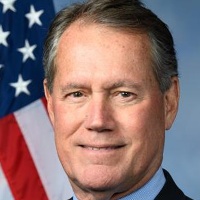
Ed Case
Representative
HI-1
The Pacific Islands Liaison Initiative Act establishes a dedicated program within Homeland Security Investigations to strengthen U.S. partnerships and security cooperation across the Pacific Islands. By deploying specialized personnel to Honolulu and Guam, the initiative aims to combat transnational crime, counter malign foreign influence, and provide technical assistance to regional partners. This legislation authorizes $5 million annually through 2034 to support these efforts and promote long-term regional stability.
New Pacific Islands Initiative Puts U.S. Law Enforcement on the Ground: $5 Million Annual Investment Starts 2027
The Pacific Islands Liaison Initiative Act is a strategic move to beef up the U.S. presence in a massive, often overlooked part of the world. Starting in 2027, the bill authorizes $5 million a year through 2034 to establish a dedicated team within Homeland Security Investigations (HSI). This isn't just about high-level diplomacy; it’s about putting boots on the ground to tackle the kind of cross-border crime that eventually hits our own shores, like drug trafficking and illegal trade. By setting up a regional hub, the U.S. is looking to move from being a distant neighbor to a daily partner for Pacific Island nations.
Boots on the Ground and Waves in the Water
This bill isn’t just a paperwork exercise—it’s a logistics plan. It mandates that at least four full-time employees be assigned specifically to this initiative, with the team split between Honolulu and Guam (Section 2). For someone working in shipping or logistics in Hawaii, this could mean a more streamlined connection between local law enforcement and international security efforts. The bill specifically calls for 'regular visits' and 'joint operations,' meaning U.S. agents won't just be sitting in offices; they’ll be training local police and conducting active missions to disrupt criminal organizations across the Pacific.
Strengthening the Neighborhood Watch
The initiative is designed to act as a shield against 'harmful foreign influence' by promoting things we often take for granted, like the rule of law and transparency. Think of it like a neighborhood watch program on a global scale. By providing technical assistance and resource sharing, the U.S. aims to help smaller nations build the infrastructure they need to stay secure. For a small business owner involved in international trade, a more stable and transparent Pacific region means fewer headaches with corruption or security delays, making it easier and safer to move goods across the ocean.
Keeping Tabs on the Tab
While the bill has a clear mission, it also leaves some room for interpretation. It gives the HSI Director the power to involve 'any other HSI offices' they choose, which is a bit like giving a manager a blank check to pull in extra staff from other departments. To keep things on track, the bill requires an annual report to Congress starting one year after the initiative kicks off. This report has to break down exactly how that $5 million was spent and whether the training programs are actually working. It’s a necessary reality check to ensure that a well-intentioned security plan doesn't just turn into another bureaucratic line item without showing real-world results.