This Act establishes the Methane Removal Research Initiative to advance scientific understanding and development of technologies for removing atmospheric methane.
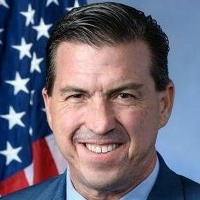
Kevin Mullin
Representative
CA-15
The Methane Removal Research and Innovation Act of 2026 establishes a dedicated Methane Removal Research Initiative led by the Department of Energy. This initiative will fund multidisciplinary research to advance scientific understanding and develop practical methods for removing methane from the atmosphere. The bill authorizes $25 million annually from fiscal years 2027 through 2031 to support this critical research effort.
Methane Removal Research Initiative to Launch in 2027: Feds Invest $125 Million to Scrub the Skies.
The federal government is putting $25 million a year on the table between 2027 and 2031 to figure out how to pull methane out of thin air. Unlike carbon dioxide, which sticks around for centuries, methane is like a high-intensity heat blanket that packs a punch in the short term but fades faster. This bill, the Methane Removal Research and Innovation Act of 2026, tasks the Secretary of Energy with building a massive brain trust—linking up everyone from NASA and the EPA to private tech startups and universities—to find a way to physically, chemically, or biologically break this gas down before it warms the planet further.
The Scientific All-Hands Meeting
This isn't just one office in D.C. doing the work. The bill mandates a massive collaboration across the Department of Energy and at least eight other major agencies, including the Department of Agriculture and NOAA. For a software engineer in Silicon Valley or a biologist at a state university, this means a surge in grant opportunities and multidisciplinary research teams. They’ll be looking at everything from "methanotrophy enhancement" (basically super-charging bacteria that eat methane) to high-tech "breakdown reactors" and special coatings that could neutralize the gas on contact. It’s a milestone-driven approach, meaning the government isn't just throwing money at the wall; they are looking for specific breakthroughs in how we measure and scrub the atmosphere.
From Lab Benches to Local Impacts
While the bill focuses on high-level science, the real-world goal is to develop tools that eventually help people like farmers or industrial workers. For example, the research into biological methods involving plants or new materials could lead to tech that manages methane at the source or in the open air, potentially reducing the long-term environmental pressure on agricultural communities. The bill also specifically requires "science communication and public engagement materials," which is fancy talk for making sure the government actually explains to the rest of us what they're doing with the $125 million and how these technologies might show up in our backyards or workplaces.
Checking the Fine Print
Because this bill has a "medium" level of vagueness, there are a few things to watch. The Secretary of Energy has a lot of power to decide which research groups get the "Principal Investigator" awards and what the timeline looks like. This could mean that certain technologies get fast-tracked while others sit on the shelf. Additionally, while the bill authorizes $25 million a year, that money still has to be approved in the annual budget—it's a ceiling, not a guaranteed check. Every three years, the Secretary has to hand over a progress report to Congress, which is our main way of seeing if this investment is actually leading to a cleaner sky or just more paperwork.