This Act establishes a National Task Force to study the needs of and develop policy recommendations for youth who provide unpaid care to veterans and service members.
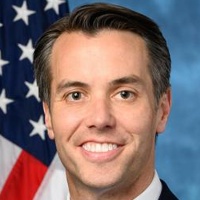
Morgan McGarvey
Representative
KY-3
This Act establishes the National Task Force on Caregiving Youth of Veterans to address the needs of young people who provide unpaid care to veterans and service members. The Task Force will conduct a national study to assess the impact on these youths and develop policy recommendations for federal agencies. Its goal is to ensure these vital caregivers receive appropriate recognition, support, and resources.
National Task Force to Support Youth Caregivers for Veterans: New 5-Year Initiative to Address Education and Health Gaps
There is a quiet workforce of millions of young people under age 26 who are currently providing unpaid care—everything from managing medications to physical assistance—for veterans and service members with disabilities or chronic illnesses. This bill creates the National Task Force on Caregiving Youth to finally put these young people on the federal radar. By bringing together heavy hitters from the VA, Department of Education, and Defense Department, the goal is to stop treating these kids and young adults as invisible and start building a safety net that protects their own futures while they care for our veterans.
Mapping the Invisible Workload
Within 180 days, the task force must launch a massive national study to figure out exactly how many young caregivers are out there and what it’s doing to their lives. We’re talking about real-world data on how caregiving affects a 19-year-old’s ability to stay in college or a 22-year-old’s mental health. Per Section 3, the study will look at geographic disparities—meaning it will investigate why a young person in a rural area might have zero support compared to someone in a major city—and identify the specific barriers that keep them from accessing existing federal and state help.
From Chores to Careers: Practical Support
The bill doesn’t just want a report to sit on a shelf; it mandates targeted policy recommendations within six months of the task force’s creation. For a student struggling to balance exams with a parent’s medical needs, this could mean new school-based resources or specialized scholarship programs. The task force is also required to look into financial assistance models and trauma-informed mental health care. By Section 3, they are also exploring a standardized database to track these demographics, ensuring that when a military family moves or a veteran’s health changes, the young caregiver doesn't fall through the cracks of the bureaucracy.
Bridging the Gap with Nonprofits
Recognizing that the government doesn't always have the best view of the ground floor, the bill establishes a Caregiving Youth Advisory Council. This council will host quarterly roundtables to bring nonprofit advocates directly to the table with federal agencies. This is designed to ensure that the people already doing the work—like military family support groups—can influence how federal grants are used for direct service programs. While the bill is broad in its definition of 'caregiving youth,' its five-year lifespan creates a clear deadline for the government to turn these findings into a permanent support system for those who sacrifice their youth to care for those who served.