This bill establishes paid rest and recuperation leave for federal wildland firefighters and permanently waives overtime pay caps for these employees.
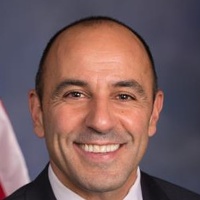
Jimmy Panetta
Representative
CA-19
The Support our Firefighters Act establishes paid rest and recuperation leave for federal wildland firefighters within the Forest Service and Department of the Interior. It also permanently waives overtime pay caps for these federal employees. Furthermore, the bill authorizes a limited transfer of funds between agency accounts to ensure continuity of base salary increases and associated premium pay for wildland firefighters.
Support our Firefighters Act Establishes Paid Recovery Leave and Permanent Overtime Pay for Federal Crews
The Support our Firefighters Act introduces a mandatory paid rest and recuperation (R&R) system for federal wildland firefighters and removes the long-standing 'pay caps' that often stopped firefighters from being paid for every hour worked during intense fire seasons. Under Section 2, employees from the Forest Service and the Department of the Interior will now earn paid time off specifically to recover from grueling deployments. This isn't just a suggestion; the bill requires the Secretaries of Agriculture and the Interior to create uniform policies, such as requiring 3 days of paid leave after a 14-day stint or 4 days after a 21-day deployment. For the person on the ground, this means no longer having to choose between a paycheck and a much-needed break after two weeks of sleeping in the dirt and breathing smoke.
Clocking Out Without Crashing
The new R&R leave is designed to be used immediately. Unlike standard vacation time, Section 2(a) specifies that this leave must be taken right after a 'qualifying incident' and cannot be saved for a rainy day or cashed out. It’s a 'use it or lose it' safety measure meant to prevent burnout. For intermittent workers—those who don't have a regular 9-to-5 schedule but jump on crews when the smoke rises—the bill ensures they aren't left behind. They will receive a payment equivalent to what they would have earned if they were on a standard leave schedule, ensuring that everyone on the line gets the same financial grace period to recover.
Ending the Overtime 'Gift'
In the past, many federal firefighters hit a 'premium pay cap,' essentially working for free once they reached a certain earnings limit for the year. Section 4 of this bill makes the waiver of these overtime caps permanent. By striking out the specific years (2021-2024) and replacing them with 'any calendar year thereafter,' the bill ensures that if a firefighter works 100 hours of overtime in a crisis, they get paid for 100 hours of overtime, regardless of the date. This provides long-term financial stability for families who rely on that hazardous duty pay to make ends meet.
Keeping the Lights On
To make sure these promises don't run into a bureaucratic wall, Section 3 allows for the transfer of up to $5 million between agencies. Specifically, it lets the Forest Service shift unused funds to the Department of the Interior if that’s what it takes to keep base salary increases and premium pay flowing without a hitch. While the bill gives the Secretaries 'sole discretion' to iron out the fine print of the leave policies—which leaves some room for variation in how 'deployment' is measured—the core focus is clear: ensuring the people protecting our communities are paid fairly and given the time to breathe once the fire is out.