This bill establishes a NIST pilot program to evaluate voluntary approaches for disclosing when content is created or manipulated by artificial intelligence.
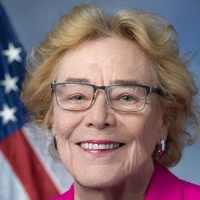
Zoe Lofgren
Representative
CA-18
The Voluntary Consumer AI Disclosure Pilot Act directs the National Institute of Standards and Technology (NIST) to establish a pilot program evaluating voluntary methods for disclosing when content is created or manipulated by artificial intelligence. This program will explore how companies can inform consumers about AI-generated content or real-time interactions with AI systems. Based on the results, NIST will develop guidelines and best practices for AI content disclosure.
New Federal Pilot Program to Test AI Disclosure Labels: NIST to Launch Study on Tagging Synthetic Content Within One Year.
The Voluntary Consumer AI Disclosure Pilot Act tasks the National Institute of Standards and Technology (NIST) with figuring out how to tell us when we are looking at something fake. Within one year, NIST must launch a pilot program to test voluntary ways for companies to label AI-generated or altered content. This isn't just about spotting deepfakes; it also covers real-time interactions, like when you’re chatting with a customer service bot and want to know if there is a human on the other end. The bill specifically asks NIST to look at existing product labels—think of the 'Nutrition Facts' on your cereal box or 'Made in the USA' stickers—as a blueprint for making AI disclosures easy for the average person to understand.
Labeling the Digital Wild West
This bill focuses on 'content provenance,' which is a fancy way of saying the digital paper trail of where a file came from and how it was changed. For someone working in marketing or graphic design, this could eventually mean new industry standards for how you export and tag your work. If you’re a consumer scrolling through social media, the goal is to provide a clear signal that a photo or video has been manipulated before you share it. By requiring NIST to consult with small businesses and academic institutions, the bill attempts to ensure these labels don't just work for tech giants, but are practical for the smaller platforms and creators who don't have massive legal teams to navigate complex regulations.
Voluntary Standards and the Road Ahead
Because this program is voluntary, the bill isn't forcing every website to slap a warning label on AI content just yet. Instead, it’s a fact-finding mission to see what works. NIST has 180 days after the pilot ends to report back to Congress on whether these labels are actually useful or if they’re just adding more digital noise. One potential hurdle is the 'Medium' level of vagueness regarding what an 'appropriate approach' looks like. For a busy parent trying to distinguish a real news clip from an AI-generated one, a label is only helpful if it's consistent across different apps. This pilot is the first step in seeing if the private sector can agree on a 'universal language' for AI transparency without the government having to mandate strict, one-size-fits-all rules.