The Northeast Lobsterman Protection Act of 2026 extends the expiration date of specific North Atlantic right whale regulations from 2028 to 2035.
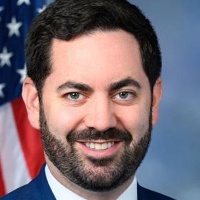
Michael Lawler
Representative
NY-17
The Northeast Lobsterman Protection Act of 2026 extends the current regulatory framework concerning North Atlantic right whale protections. By amending the Consolidated Appropriations Act of 2023, this bill pushes the expiration date for these specific regulations from 2028 to 2035.
Lobstermen Face Seven-Year Extension of Whale Protection Rules Under New Bill
The Northeast Lobsterman Protection Act of 2026 is a short but punchy piece of legislation that moves the goalposts for the commercial fishing industry. By amending Section 101 of division JJ of the Consolidated Appropriations Act of 2023, this bill extends existing regulations meant to protect the endangered North Atlantic right whale. Specifically, it swaps out every mention of the year '2028' with '2035,' effectively locking in the current regulatory framework for an additional seven years beyond its original expiration date.
A Seven-Year Hold on the Status Quo
For anyone working on a boat or managing a seafood supply chain, this is about regulatory certainty—or lack thereof. By pushing the expiration date to December 31, 2035 (SEC. 2), the bill ensures that the current rules regarding gear restrictions and seasonal closures stay exactly as they are. If you’re a lobsterman, this means the 'new normal' of the last few years is now the 'long-term normal.' You won't have to guess if the rules will change in 2028, but you also won't see the sunset of the restrictions you’ve been navigating.
The Cost of Conservation at Sea
This extension has a direct impact on the bottom line for small business owners in the Northeast. Consider a multi-generational lobster business: under this bill, they must continue to account for the costs of specialized gear and potential territory restrictions for nearly a decade longer than originally planned. While these measures are designed to prevent the extinction of the North Atlantic right whale, the economic weight falls squarely on the shoulders of the fishing fleet. The bill doesn't offer new subsidies or tech grants; it simply keeps the current compliance requirements active through the mid-2030s.
Balancing the Scales
The big-picture challenge here is the tension between immediate economic survival and long-term environmental health. By extending the 2023 standards, the bill avoids a sudden regulatory vacuum that could leave whales vulnerable, but it also risks kicking the can down the road on finding more innovative, less restrictive solutions. For the average consumer, this could mean that the price of lobster stays tied to these operational costs for the foreseeable future, as the industry continues to adapt to a landscape where protecting wildlife is a permanent part of the job description.