This Act mandates federal agencies to specifically consider and address unique regulatory burdens faced by residents of pene-exclaves through special consultation and public meeting requirements.
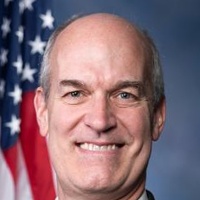
Rick Larsen
Representative
WA-2
The EXCLAVE Act of 2026 mandates that federal agencies must specifically consider and address the unique regulatory burdens faced by residents of pene-exclaves when issuing new rules. If a rule may impose such a burden, agencies are required to hold dedicated public meetings for those residents. Furthermore, agencies must respond to comments received from these communities in the final rule and the OMB must establish a list identifying all U.S. pene-exclaves.
New EXCLAVE Act Requires Federal Agencies to Address Unique Border-Crossing and Supply Chain Burdens for Isolated U.S. Towns
The EXCLAVE Act of 2026 aims to stop federal agencies from accidentally making life impossible for Americans living in 'pene-exclaves'—those unique pockets of the U.S. that you can only reach by driving through a foreign country. Under this bill, before any federal agency like the Department of Transportation or the FDA rolls out a new rule, they must check if it creates a 'unique burden' for these residents. This includes anything that makes it harder to cross the border, get emergency medical help, find a vet for your dog, or simply buy groceries. If a burden is identified, the agency is legally required to flag it in their public notice and hold a dedicated meeting specifically for that community within 30 days.
Mapping the 'Island' Life
Because places like Point Roberts, Washington, or the Northwest Angle in Minnesota are geographically isolated, a regulation that works in a standard suburb might be a disaster there. For example, if a new rule changed how commercial goods are transported across borders, it could inadvertently cut off a small business owner’s only supply chain for milk and bread. Section 3 of the bill tasks the Office of Management and Budget (OMB) with creating an official 'master list' of these communities and their local officials within 90 days. This ensures that when a rule is being debated, the right people in these remote towns are actually in the loop, rather than being buried in a generic government mailing list.
A Seat at the Table
The bill doesn't just ask agencies to listen; it forces them to respond. If a resident of a pene-exclave speaks up during a public meeting or submits a comment about a specific hardship, the agency must address that comment individually in the final version of the rule. This is a significant shift from the usual 'one-size-fits-all' approach to federal regulation. It means a fisherman in an isolated coastal exclave or a family living behind a foreign border has a direct line to D.C. to explain why a new fee or permit might affect them differently than someone living in the heart of the mainland.
Defining the Boundaries
The legislation is very specific about who qualifies for these protections. A 'pene-exclave' is defined as an area accessible by land only through a foreign country—it explicitly excludes entire states (sorry, Alaska) or areas that are just hard to get to because of mountains or rough terrain. While this clarity helps prevent the law from being stretched too thin, the 'medium' level of vagueness in how agencies identify 'unique burdens' means residents will still need to stay alert. However, by allowing local non-profits to petition for a spot on the OMB’s contact list, the bill gives these tiny communities a permanent megaphone to protect their daily access to the necessities of life.