This act authorizes the State Department to train diplomatic staff on identifying and responding to foreign online scam operations targeting Americans.
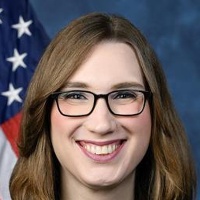
Sarah McBride
Representative
DE
The Stop Scamming Americans Act mandates the State Department to develop specialized training for diplomatic staff stationed in countries with high levels of online scams targeting Americans. This training will focus on understanding transnational scam syndicates, associated human trafficking, and foreign government involvement. The goal is to equip diplomats with the tools to identify, prevent, and respond to these criminal activities.
Stop Scamming Americans Act Mandates Specialized Anti-Fraud Training for US Diplomats in Global Scam Hotspots
The Stop Scamming Americans Act aims to turn our diplomats into a front-line defense against the international syndicates that clog our phones with scam texts and drain bank accounts. By amending the Foreign Service Act of 1980, the bill authorizes the Secretary of State to create a specialized training program for high-level officials—including chiefs of mission and Foreign Service officers—stationed in countries identified as hubs for online scam activity. The goal is to move beyond traditional diplomacy and give our representatives the technical and investigative literacy needed to spot how these criminal organizations operate on the ground.
Modern Problems, Modern Training
This isn't just a basic briefing on cybersecurity. According to Section 2, the training must dive into the gritty reality of 'online scam centers,' which often function like dark corporate campuses. For a regular person, this means the US government is finally looking at the root of the problem: the physical locations where these scams are born. The curriculum specifically targets the intersection of technology and human rights, requiring officers to study the human trafficking often used to staff these centers and the 'foreign government complicity' that allows them to stay in business. If you've ever wondered why a scammer can operate with impunity from halfway across the world, this bill is designed to help our diplomats identify which local officials are looking the other way.
From the Embassy to Your Inbox
While this happens in embassies abroad, the impact is intended for the person at home trying to distinguish a legitimate bank alert from a phishing attempt. By training diplomats in 'diplomatic methods to identify, prevent, and respond' to these activities, the bill seeks to create a more aggressive international response. For example, a diplomat in a scam-heavy region would be trained to pressure local law enforcement to raid known centers or to flag specific criminal organizations for US sanctions. It’s an attempt to stop the scam at the source before it ever reaches a smartphone in a suburban kitchen or a construction site breakroom.
The Secretary’s Call
The bill gives the Secretary of State the power to decide which countries are 'significant' enough to warrant this extra attention. This creates a bit of a gray area—it doesn't list specific countries, meaning the focus could shift depending on who is in office or which region is currently the 'scam capital' of the month. While the bill is a clear win for consumer protection, its success hinges on how effectively these diplomats can turn their training into actual pressure on foreign governments. It’s a long-game strategy: the more uncomfortable we make it for these syndicates to operate abroad, the fewer fraudulent calls make it to your pocket.