The Next Mission Act establishes a grant program to fund private, nonprofit organizations providing free career services and job placement assistance to transitioning service members and their spouses.
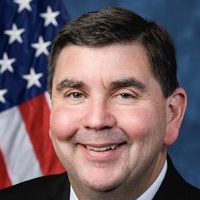
John Mannion
Representative
NY-22
The Next Mission Act establishes a multiyear grant program to supplement the Department of Defense's Transition Assistance Program. This program will provide career services and job placement assistance at no cost to eligible service members and their spouses. Grants will be awarded to qualified private, nonprofit organizations that demonstrate proven success in career services and use rigorous evaluation practices. The Secretary of Defense must implement the program within one year of enactment, and the authority to award grants ends three years later.
Next Mission Act Launches New Job Placement Grants for Veterans and Spouses Within One Year
The Next Mission Act aims to overhaul how service members and their spouses transition into the civilian workforce by establishing a multiyear grant program. Under Section 2, the Secretary of Defense is required to roll out this initiative within one year, awarding funds to private, nonprofit organizations that specialize in career services. Unlike traditional government programs, this bill specifically targets nonprofits that already have a 'proven record' and the ability to deliver online training, which is a significant win for families stationed in rural areas or those trying to balance a job search with a move. The program is designed to be a one-stop shop, offering everything from mock interviews and salary negotiation training to the translation of military skills into language that civilian HR departments actually understand.
Mapping the Career Path
One of the most practical features of this bill is the focus on 'industry-specific learning pathways.' Instead of just general advice, Section 2(c) mandates that grantees help participants navigate training requirements for high-demand fields that offer long-term stability. For a service member who has spent a decade in logistics or a spouse who has had to restart their career with every PCS move, this means direct access to coursework leading to industry-recognized certifications at no cost. The bill also requires one-on-one support from career professionals, ensuring that users aren't just handed a login to a website and left to figure it out themselves. By focusing on labor market information, the program aims to steer people toward jobs that actually exist and pay a living wage.
Accountability and the Long Game
The legislation doesn't just hand out checks to nonprofits; it includes a 'trust but verify' mechanism. Section 2(e) establishes strict performance metrics, requiring the Secretary to track not just how many people finish training, but how many actually get hired, how much they earn, and whether they stay in those jobs. Interestingly, the bill also looks toward the future by requiring an assessment on whether these services can be expanded to members of the Reserve and those stationed overseas. While the grant authority is currently set to expire after three years, the mandatory report to Congress at the end of the program will serve as a scorecard to determine if this private-public partnership model is more effective than existing bureaucratic transition programs.