This act expands VA oversight to include third-party contractors managing educational programs for veterans and sets an expiration date for the current State Approving Agency designation authority.
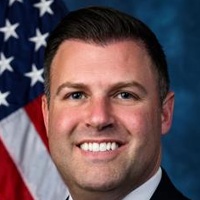
Ryan Mackenzie
Representative
PA-7
The VA Education Oversight Improvement Act expands the Department of Veterans Affairs' authority to oversee third-party contractors offering VA-approved educational programs. It mandates annual reports to Congress through 2028 detailing this oversight of contractor activities. Furthermore, the bill sets an expiration date of October 1, 2028, for the Secretary of Veterans Affairs' designation of State Approving Agencies.
VA Education Oversight Improvement Act Targets Third-Party Recruiters with New Marketing and Enrollment Rules
The VA Education Oversight Improvement Act aims to close loopholes that allow outside companies to target veterans with aggressive or misleading sales tactics. By amending Section 3673A of title 38, the bill extends federal and state oversight beyond just the schools themselves to include any third-party contractors they hire. This means the VA can now scrutinize not just 'advertising and recruiting,' but the entire pipeline of 'advertising, marketing, recruiting, and enrollment practices.' If a school hires an outside firm to manage their digital ads or handle student sign-ups, those firms are now on the hook for the same standards as the university itself, even if those operations are based in foreign countries.
Closing the Recruitment Loophole
For a veteran looking to use their GI Bill benefits, this change is about who is knocking on their door—digitally or otherwise. Currently, some schools use third-party 'online program managers' or marketing firms that might prioritize hitting enrollment quotas over finding the right fit for the student. Under Section 2, the VA and State Approving Agencies (SAAs) gain the authority to audit these contractors directly. If you are a veteran being promised a high-paying job by a recruiter who doesn't actually work for the school, this bill gives the VA the teeth to investigate those claims. By adding 'enrollment practices' to the list of regulated activities, the bill ensures that the actual process of signing over benefits is transparent and handled ethically.
A Shift in Power by 2028
The bill also sets a major administrative deadline that could change how local oversight works. Section 3 stipulates that the VA Secretary’s authority to designate state-level agencies (SAAs) to handle these approvals will expire on October 1, 2028. After that date, the VA Secretary takes over those responsibilities directly. While this might streamline the process into a single federal standard, it removes the local 'boots on the ground' expertise that state agencies currently provide. For educational institutions, this means a shift from dealing with state regulators to a centralized federal bureaucracy in Washington, which could change how quickly new programs get approved or how often inspections occur.
Tracking the Results
To ensure these new powers actually protect students, the bill mandates a paper trail. Through 2028, the VA Secretary must submit an annual report to Congress every October 1st detailing how they are overseeing these third-party contractors. This report, required by the update to Section 3672, must include specific recommendations for new laws or regulations. For the taxpayer and the student, this is the 'receipt' for the new oversight—a way to see if the expanded authority is actually weeding out bad actors in the education industry or just creating more paperwork for the schools that are already playing by the rules.