This bill establishes a free, voluntary program to provide veteran borrowers with expert support services to help them understand and navigate their VA home loan benefits.
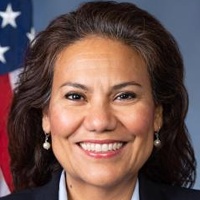
Veronica Escobar
Representative
TX-16
The VA Home Loan Navigator Act establishes a new, free program to provide comprehensive housing loan support services to veteran borrowers. This program will offer education, guidance, and assistance navigating all aspects of their VA home loan benefits, from eligibility to foreclosure prevention. Services will be delivered by independent, neutral third-party organizations approved by the VA and HUD. Participation is entirely voluntary for the borrower.
New VA Home Loan Navigator Act to Provide Free, Independent Counseling for Veteran Homebuyers
Navigating the VA home loan process can feel like trying to read a map in a dark room. The VA Home Loan Navigator Act aims to turn the lights on by establishing a dedicated program to provide free, expert support for veterans and military families. Whether you are a first-time buyer trying to figure out your Certificate of Eligibility or a homeowner facing a rough patch and trying to avoid foreclosure, this bill creates a network of certified 'navigators' to walk you through the paperwork and the fine print. These services are strictly voluntary and come at no cost to the borrower, focusing on everything from loan origination and refinancing to understanding broker commissions and property standards.
No Strings Attached
To make sure you’re getting straight talk rather than a sales pitch, the bill sets high bars for who can actually provide this advice. Only HUD-approved non-profit organizations with a primary mission of serving the military community can be designated as navigators. Crucially, these entities must act as independent, neutral intermediaries. They (and their individual counselors) are legally barred from taking kickbacks, referral fees, or any kind of payment from lenders, real estate agents, or foreclosure-relief companies. This means if you’re a veteran working a construction site or a desk job, you can trust that the person helping you isn't just trying to shuffle you toward a specific bank for a commission.
Keeping it Clean with Firewalls
While the bill allows organizations that have other business lines—like real estate or mortgage servicing—to participate, it mandates strict 'firewalls' to keep the advice side of the house separate from the profit side. Counselors cannot refer you to their own company’s other services, and they must disclose any potential conflicts of interest immediately. Think of it like a professional referee: they can’t play for one of the teams on the field. The Secretary of Veterans Affairs is also tasked with certifying these counselors and requiring them to re-up their training at least every three years, ensuring the person across the table actually knows the latest rules and regulations.
Accountability and Real-World Results
This isn't just a 'set it and forget it' program. Starting two years after it kicks off, the VA has to report back to Congress every year on how well the program is actually working. They’ll be looking at hard data: Are veterans more satisfied? Are foreclosure rates dropping? Are people successfully navigating 'loss mitigation' (basically, finding ways to keep their homes when money gets tight)? By tracking re-default rates and cost-effectiveness, the program is designed to prove its value to both the veterans it serves and the taxpayers funding it. If an organization is found to be cutting corners or engaging in fraud, the VA has the power to pull their certification and hand the case over to the Attorney General.