This bill extends the Reimbursable Screening Services Program through 2031 and increases the maximum number of participating airports from 8 to 14.
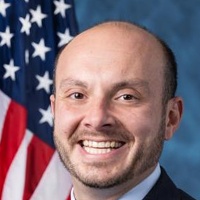
Andrew Garbarino
Representative
NY-2
The Reimbursable Screening Services Program Extension Act of 2026 extends the authorization for the program through fiscal year 2031. Additionally, it expands the program's capacity by increasing the maximum number of participating airports from 8 to 14.
TSA Screening Expansion: Six More Airports to Join Reimbursable Security Program Through 2031
The Reimbursable Screening Services Program Extension Act of 2026 pushes the expiration date of a key airport security initiative from 2026 out to September 30, 2031. Under Section 2, the bill also raises the cap on participating airports, allowing the Transportation Security Administration (TSA) to partner with 14 locations instead of the current limit of eight. This program allows airport authorities or private stakeholders to pay the TSA to provide additional screening services that go beyond what the federal budget typically covers, such as staffing extra lanes during peak travel times or providing security for specialized events.
Clearing the Runway
For the average traveler, this bill is essentially a move to reduce the time spent standing in line with your shoes off. By extending the program’s life by five years and nearly doubling the number of eligible airports, the legislation creates a pathway for more mid-sized or growing hubs to buy into better service. Imagine you are a business traveler flying out of a rapidly expanding regional airport that hasn't seen a federal staffing increase in years; under this provision, your local airport authority could reimburse the TSA to keep more checkpoints open during the Monday morning rush, directly cutting down your wait time.
Scaling Up Security
The jump from 8 to 14 airports is a specific, calculated expansion. It targets the logistical bottleneck where federal resources are stretched thin but local demand is high. Because the program is 'reimbursable,' the extra security costs are covered by the airport or local entities rather than the general taxpayer. For a small business owner traveling for a trade show or a family trying to make a tight connection, this means the 'standard' TSA experience at these six new locations could become significantly more efficient without requiring a massive new federal appropriation.
Long-Term Travel Planning
By securing the program through 2031, the bill provides the long-term certainty that airport managers need to make hiring and infrastructure decisions. It’s hard for an airport to commit to funding extra security staff if the legal authority to do so might vanish in a year or two. This five-year extension ensures that once an airport joins the program, they have a stable window to integrate these extra screenings into their daily operations. While it doesn't mandate which six airports get the new slots, it sets the stage for more competitive and less congested transit hubs across the country.