This bill establishes a program to integrate and expand evidence-based nutrition education and chronic disease prevention services within federally qualified health centers.
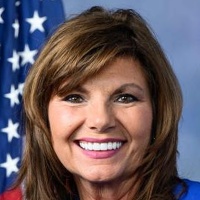
Diana Harshbarger
Representative
TN-1
This Act establishes a new initiative to integrate and expand evidence-based nutrition education and counseling within Federally Qualified Health Centers. It directs the Secretary of HHS to award funds to these centers to support patient services, workforce training, and the development of interdisciplinary care models. Priority will be given to centers serving populations facing high rates of diet-related chronic disease and food insecurity.
Nutrition Education and Chronic Disease Prevention Act of 2026: Community Health Centers to Integrate Dietary Counseling into Primary Care
The Nutrition Education and Chronic Disease Prevention in Community Health Centers Act of 2026 aims to turn your local community health center into a one-stop shop for both medical treatment and dietary guidance. By amending the Public Health Service Act, the bill directs the Department of Health and Human Services (HHS) to help these centers integrate evidence-based nutrition education directly into primary care and staff training. Instead of just receiving a prescription for a chronic condition, patients would have access to integrated counseling and interdisciplinary teams specifically trained in nutrition science. The initiative utilizes existing funding from the Affordable Care Act to provide the grants and technical assistance needed to get these programs off the ground.
A Recipe for Better Care
Under this bill, health centers can use federal funds to build out ‘interdisciplinary care models.’ This means your primary care doctor could work alongside registered dietitians and community health workers to manage your health (Section 2). For a busy parent managing a child’s food allergies or an office worker dealing with early-stage hypertension, this could mean getting a personalized meal plan and dietary coaching during a standard check-up rather than being referred to an outside specialist. The bill also specifically funds the creation of culturally and linguistically appropriate materials, ensuring that nutrition advice actually makes sense for the specific community the center serves.
Prioritizing the High-Need Table
Not every clinic will get these resources at once. The bill requires the Secretary of HHS to prioritize centers serving populations with high rates of food insecurity or diet-related chronic diseases. If you live in an area where fresh produce is expensive or hard to find—often called a food desert—your local clinic is more likely to receive this support. To ensure these new programs don't just replace existing ones, the bill includes a ‘supplement, not replace’ safeguard, meaning centers must use this money to add new services rather than just shifting their current budget around.
Tracking the Results
Starting three years after the bill kicks in, and running through 2031, Congress will receive annual reports on whether this investment is actually working. These reports aren't just about where the money went; they must specifically estimate cost savings to federal programs like Medicare and Medicaid. By tracking clinical outcomes—like whether patients' blood sugar or blood pressure levels improve—the government aims to prove that teaching people how to eat for their specific health needs is cheaper than treating the long-term complications of chronic disease. While the bill allows centers to partner with big academic medical schools for expertise, the focus remains on the local level where everyday health decisions happen.