This bill prohibits U.S. entities integral to national interests from complying with foreign sustainability due diligence regulations, such as the EU's CSDDD.
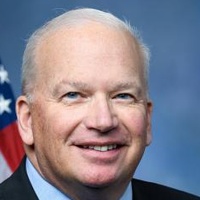
Scott Fitzgerald
Representative
WI-5
This bill, the "PROTECT USA Act of 2026," prohibits U.S. entities integral to national interests from complying with foreign sustainability due diligence regulations, such as the EU's Corporate Sustainability Due Diligence Directive. It aims to shield vital American industries, including energy and manufacturing, from foreign laws that could hinder U.S. competitiveness and economic stability. The Act also prevents retaliatory actions against U.S. companies for adhering to this prohibition and establishes a hardship exemption process overseen by the President.
PROTECT USA Act Blocks Foreign Environmental Audits: U.S. Companies Prohibited from Meeting EU Sustainability Rules
The PROTECT USA Act of 2026 takes a hard line against international oversight by prohibiting U.S. companies—specifically those deemed 'integral to national interests'—from complying with foreign sustainability laws. This primarily targets the European Union’s Corporate Sustainability Due Diligence Directive, which requires companies to audit their entire supply chains for environmental damage or human rights issues. Under this bill, if you are a U.S.-based manufacturer or energy firm, you are legally barred from participating in these foreign reporting regimes, effectively creating a regulatory wall between American business operations and European social standards.
The National Interest Shield
The bill defines 'integral' entities broadly, covering almost any major U.S. corporation in sectors like agriculture, mining, and energy, but it also gives the President the power to hand-pick additional companies for this list (Sec. 3). For a worker at a domestic manufacturing plant, this means your employer won't have to spend resources documenting the carbon footprint of every part they buy from overseas just to satisfy a Brussels regulator. However, the bill also prevents U.S. courts from recognizing foreign legal judgments against these companies (Sec. 5). This creates a scenario where a company could be sued in Europe for environmental negligence in its supply chain, but that legal ruling would be worth less than the paper it's printed on once it hits U.S. soil.
Hardships and Loopholes
Recognizing that some businesses might actually need to comply to stay in the European market, the bill allows companies to petition the President for a 'hardship exemption' (Sec. 4). The President has 30 days to deny this request in writing, or it is automatically granted. This puts a massive amount of discretionary power in the Oval Office to decide which companies get to play by international rules and which don't. While this protects a local energy co-op from expensive foreign red tape, it also means that investors and consumers who want to know if their products are ethically sourced might find themselves in the dark, as the bill specifically shields companies from having to report that data to foreign authorities.
Retaliation and Reality
To ensure U.S. companies don't feel pressured by global partners, the Act imposes a civil penalty of up to $1,000,000 for anyone who takes 'adverse action' against a U.S. company for following this law (Sec. 5). This is a bold move to protect American sovereignty in trade, but it carries a real-world risk for global commerce. If a U.S. tech firm is prohibited from providing the sustainability data a European partner requires by law, that partner might simply stop doing business with them. While the bill aims to protect the 'physical infrastructure' of our economy, like data centers and mines, it could leave American businesses caught in a tug-of-war between U.S. law and the requirements of the global marketplace.