This bill codifies the annual veteran suicide prevention report and directs the VA to study the impact of its Chaplain Service on veteran suicide risk.
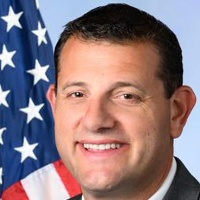
David Valadao
Representative
CA-22
This bill, the TOURS Act, codifies the annual report on veteran suicide prevention and requires the VA Secretary to submit it to Congress. It also directs the VA to conduct a two-year study on the impact of the Department's Chaplain Service and faith-based programs on veteran suicide risk. The study must analyze engagement data while strictly protecting veteran privacy and confidentiality.
TOURS Act Mandates Two-Year Study on VA Chaplain Services and Veteran Suicide Prevention Starting 2027
The Trauma Outreach, Understanding, and Resiliency through Spirituality (TOURS) Act aims to formalize how the Department of Veterans Affairs (VA) tracks suicide prevention efforts while launching a deep dive into the role of faith-based support. Specifically, Section 2 of the bill turns the National Veteran Suicide Prevention Annual Report into a permanent legal requirement. This means the VA’s Office of Mental Health and Suicide Prevention can’t just opt-in to sharing this data; they are now mandated to provide an annual report and a formal briefing to the House and Senate Veterans’ Affairs Committees, ensuring that the latest numbers on veteran wellness are always on the record.
Faith and the Front Lines
One of the most significant shifts in this bill is a two-year study, set to begin by January 1, 2027, focusing on the VA’s Chaplain Service. For a veteran who might feel more comfortable talking to a chaplain than a clinical psychologist, this study seeks to find out if that connection actually lowers suicide risk. The bill directs the Secretary to track specific interactions—like group activities and outreach events—and compare them against mental health outcomes. For example, if a veteran at a local VA facility regularly attends faith-based peer groups, the study will look at whether those interactions correlate with fewer suicide-related behaviors, helping the VA identify which spiritual programs are actually saving lives.
Privacy in the Pews
Because mixing government data with spiritual counseling can feel a bit invasive, the bill includes specific safeguards in Section 3. It explicitly states that any data collection must not compromise the confidentiality of protected religious communications or medical records. Veterans must be informed when their engagement data is being tracked, and the bill clarifies that using these services remains 100% voluntary. It’s a balance of trying to get the math right on what works for mental health without turning a private conversation with a chaplain into a public data point.
Mapping the Road Ahead
By the end of the study, the VA is required to hand over a roadmap to Congress. This includes a list of specific programs that show a "measurable effect" on reducing suicide risk and recommendations on where to put more resources. For the average veteran or their family, this could mean seeing more funding for local faith-based outreach or better integration between spiritual care and traditional mental health services. The goal is to move past guesswork and use hard data to see if spiritual resiliency programs are a missing piece in the broader suicide prevention strategy.