This bill establishes a VA grant program to fund immigration legal services for noncitizen veterans facing removal, seeking naturalization, or needing assistance with reentry.
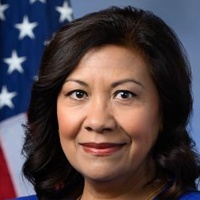
Norma Torres
Representative
CA-35
The Honor Their Service Act establishes a Department of Veterans Affairs grant program to fund essential immigration legal services for noncitizen veterans. These services will assist eligible veterans with issues such as defense in removal proceedings, naturalization applications, and seeking lawful reentry. The goal is to ensure these veterans, who have served the U.S., can access the legal support necessary to remain in or return to the country.
Honor Their Service Act Proposes $20 Million to Fund Legal Defense and Citizenship Paths for Noncitizen Veterans
The Honor Their Service Act aims to close a significant gap for those who served in the U.S. military but lack U.S. citizenship. The bill establishes a $20 million grant program within the Department of Veterans Affairs (VA) to fund legal services for noncitizen veterans. These grants, totaling $5 million annually from 2027 through 2030, would go to nonprofits and public entities that provide specialized legal help for veterans facing deportation, seeking naturalization, or trying to return to the U.S. after being removed. By focusing on the unique intersection of military service and immigration law, the bill seeks to ensure that those who wore the uniform have professional representation when navigating the complex bureaucracy of the immigration system.
A Legal Lifeline for the Uniformed
Under this legislation, grant funds are earmarked for specific, high-stakes legal needs. This includes defending veterans in removal proceedings, assisting with naturalization applications—particularly those involving military service tracks—and helping with parole applications to keep families together. For a veteran who received an 'other than honorable' discharge that is blocking their path to citizenship, the bill specifically allows funds to be used for discharge upgrade requests under Section 1553 of title 10. This is a critical detail because a discharge status can often be the single biggest hurdle for a veteran trying to stay in the country they served.
Reaching Every Corner of the Map
One of the bill's core requirements is ensuring that a veteran's zip code doesn't determine their access to justice. The VA Secretary is tasked with distributing these grants to reach veterans in rural areas, U.S. territories, and tribal trust lands. To make this work for someone living far from a major city, the bill explicitly encourages the use of virtual legal services. This means a veteran working a trade in rural Alaska or farming in America’s heartland could potentially access the same high-quality legal counsel as someone living in a major metro area, provided the VA can effectively scale these digital resources.
Oversight and Implementation Hurdles
While the bill provides a clear roadmap, the 'Medium' vagueness level suggests some implementation challenges ahead. The VA has 180 days to set the ground rules for who gets the money, and the bill gives the Secretary broad authority to approve 'any other immigration legal services' they deem appropriate. While this flexibility is great for adapting to new legal hurdles, it will require close monitoring to ensure funds aren't spread too thin. To keep things on track, the VA must report to Congress every two years, detailing exactly how many veterans were helped and whether the program is actually proving cost-effective. For the taxpayer and the veteran alike, the success of this act will depend on whether the VA can move quickly to turn these authorized funds into active, competent legal desks.