This bill amends existing law to provide air transportation passengers with disabilities new remedies, including the right to sue, for discrimination experienced while traveling.
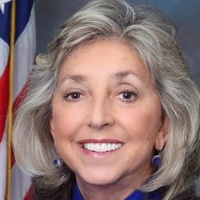
Dina Titus
Representative
NV-1
This bill, the "Air Carrier Access Amendments Act of 2026," strengthens protections against disability discrimination in air travel. It establishes new civil penalties for specific violations like damaging assistive devices or causing passenger harm. Crucially, it grants individuals with disabilities a private right of action to sue air carriers for violations, allowing them to seek damages and attorney's fees.
Air Carrier Access Amendments Act of 2026: New Penalties for Damaged Wheelchairs and the Right to Sue Airlines
For years, travelers with disabilities have faced a frustrating legal loophole: unlike most civil rights laws, the Air Carrier Access Act didn't actually let you sue an airline if they discriminated against you. The Air Carrier Access Amendments Act of 2026 is looking to change that by giving passengers a 'private right of action.' This means if an airline violates your rights, you can take them to federal court within two years of the incident without having to jump through administrative hoops first. The bill even specifies that courts can award compensatory and punitive damages, plus cover your attorney and expert fees if you win.
Upgrading the Penalty Box
The bill isn't just about lawsuits; it’s putting a specific price tag on bad service. The Secretary of Transportation will be required to hit airlines with civil penalties for very specific failures. We’re talking about things like losing or significantly damaging a wheelchair or scooter, failing to provide boarding assistance when an aisle chair is needed, or denying a service animal access. It even covers 'gross negligence' and physical harm. For a traveler who relies on a $30,000 custom power chair to live their life, having the law explicitly mandate penalties for damage to that device is a massive shift from just hoping for a travel voucher.
Accountability Beyond the Gate
Beyond individual lawsuits, the bill beefs up government oversight. If the Department of Transportation notices a 'pattern or practice' of discrimination—basically, if an airline is consistently failing passengers with disabilities—they are now required to refer the case to the Attorney General. This allows the DOJ to step in and file its own civil actions to force systemic changes. While airlines may face higher operational and legal costs to ensure compliance, the bill’s goal is to move air travel into the 21st century so that a broken wheelchair doesn't mean a lost job opportunity or a ruined family vacation.