This bill establishes an HHS office to provide mental health services and support to communities affected by fear-based trauma resulting from federal immigration enforcement actions.
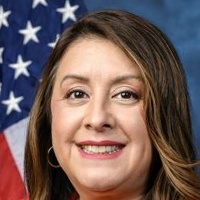
Luz Rivas
Representative
CA-29
This bill establishes an office within the Department of Health and Human Services to address mental health needs in communities affected by federal immigration enforcement actions. The office will provide direct mental health services, issue grants, and develop resources for individuals experiencing fear-based trauma. Crucially, any data collected by this office is strictly prohibited from being shared with immigration enforcement agencies.
HEART Act of 2026: New HHS Office to Provide Mobile Mental Health Teams and Counseling Vouchers to Communities Impacted by Immigration Enforcement
The HEART Act of 2026 creates a specialized support system within the Department of Health and Human Services (HHS) called the Office of Immigrant Community Mental Health and Resilience. This new office is tasked with a very specific job: helping people deal with the 'fear-based trauma' that ripples through a neighborhood after federal immigration enforcement actions occur. Instead of just being a bureaucratic desk in D.C., the bill requires the office to deploy real-world tools like mobile mental health response teams, emergency counseling vouchers for immediate care, and a grant program to fund local clinics and schools. Section 2 specifically mandates that the Director must help states use Medicaid flexibilities to ensure that the cost of care doesn't fall on the shoulders of those already in crisis.
A Safety Net for the Neighborhood
This legislation focuses on the 'aftermath' of enforcement. For example, if a major enforcement action happens in a town, local schools or community centers often see an immediate spike in anxiety and trauma among students and families. Under Section 2, the HEART Act would allow these local educational agencies and community-based organizations to apply for grants to hire culturally competent specialists—people who actually understand the language and background of the residents they are treating. It also pushes for 'know your rights' campaigns, not about legal status, but specifically about healthcare rights, so a parent knows they can take a child to the doctor without fear of being turned away or targeted.
The Privacy Firewall
One of the biggest hurdles in providing healthcare to these communities is a lack of trust. The bill addresses this head-on in Section 2 with a strict information-sharing prohibition. It explicitly states that any data or information collected by this new HHS office cannot be shared with the Department of Homeland Security (DHS) or any other agency that handles immigration enforcement. This is designed to act as a legal firewall, ensuring that seeking mental health support or a counseling voucher doesn't accidentally lead to a knock on the door from enforcement officers. It’s a practical move to make sure the program actually gets used by the people who need it most.
Funding and Practical Hurdles
To get the lights turned on, the bill transfers 'whatever funds are necessary' from existing pots of money (specifically from Public Law 119-21). While this avoids the need for a new tax, it does mean the program’s success depends on how much is currently in those accounts. A potential challenge lies in the definition of an 'impacted community.' While the bill defines it as any jurisdiction where federal enforcement has occurred, the actual rollout will depend on how local governments and nonprofits report these actions to the Director. For a busy local clinic or a small-town mayor, keeping up with these reporting requirements will be the key to unlocking the grants and mobile teams promised by the Act.