This bill establishes a voluntary public financing system for House elections, strengthens FEC oversight, and sets technical rules for implementation.
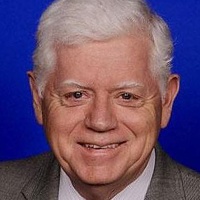
John Larson
Representative
CT-1
This bill aims to reform House election financing by establishing a voluntary public campaign financing system that rewards candidates who accept spending limits and focus on small-dollar donations. It also modernizes the Federal Election Commission's filing requirements, mandating electronic submissions and clarifying its judicial review powers. Finally, the legislation includes provisions to ensure the law remains effective even if certain parts are successfully challenged in court.
New House Election Reform: 500% Match for Small Donors and Mandatory Debates Starting in 2027
Imagine running for Congress without having to spend six hours a day in a windowless room calling millionaires for checks. This bill proposes a voluntary 'Fair Elections' system for the U.S. House of Representatives that trades big-money donors for grassroots support. If a candidate opts in, they agree to stop taking large private donations and personal wealth in exchange for a massive boost from the public: a 500% match on small contributions (between $5 and $100) from people in their own state. To get this cash, they first have to prove they have local skin in the game by raising at least $50,000 from small-dollar donors.
The Grassroots Multiplier This isn't just a handout; it’s a shift in who holds the megaphone. Under this system, a $50 donation from a local teacher or mechanic effectively becomes $300 for the candidate’s campaign. This provision (Title I) aims to make candidates more responsive to the people living in their districts rather than the special interests currently funding the status quo. However, the 'opt-in' nature means we could see two different types of races: one where candidates are fueled by thousands of neighbors, and another where non-participating candidates continue to rely on traditional big-money PACs and personal fortunes.
Debates and Digital Receipts If a candidate takes the public money, they can't just hide behind TV ads. The bill mandates that participating candidates show up for at least one primary and two general election debates. It also gets serious about transparency by moving all FEC filings to a mandatory electronic format with 24-hour deadlines (Title II). While this is great for us to see where the money is going in real-time, it might be a bit of a headache for a first-time candidate running a lean operation without a dedicated tech team.
The Long-Term Play Because this system relies on a new 'Fair Elections Oversight Board' to tweak the math every few years, the actual impact could change depending on who is running the board. They’ll be responsible for adjusting the funding caps to keep the program 'fiscally responsible' while still making it attractive enough for candidates to join. The bill is set to fully kick in on January 1, 2027, giving the FEC time to modernize its systems and for potential challengers to start building the local networks they’ll need to qualify for that 5-to-1 match.