This bill establishes the "Workforce for AI Trust Act" to expand NSF fellowships and training in trustworthy AI, and directs NIST to develop a standardized AI workforce framework.
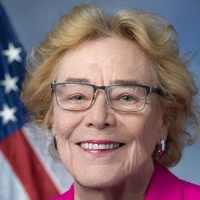
Zoe Lofgren
Representative
CA-18
The Workforce for AI Trust Act aims to strengthen the U.S. artificial intelligence workforce by investing in research and training. It directs the National Science Foundation (NSF) to establish new AI fellowships and skills programs focused on trustworthy AI development. Additionally, the bill mandates the National Institute of Standards and Technology (NIST) to create a comprehensive AI workforce framework to define roles, skills, and competencies for the growing AI sector.
Workforce for AI Trust Act: New Fellowships and National Training Standards Set to Reshape the Tech Job Market
The Workforce for AI Trust Act is a comprehensive plan to overhaul how the U.S. prepares its workforce for the artificial intelligence era. At its core, the bill directs the National Science Foundation (NSF) to launch a series of graduate and postdoctoral fellowships specifically focused on 'trustworthy' AI—meaning systems designed to be safe, secure, and reliable. It also tasks the National Institute of Standards and Technology (NIST) with creating a universal 'AI Workforce Framework' to standardize job titles and skill requirements across the country. Whether you are a software engineer looking to specialize or a manager trying to figure out what an 'AI Risk Auditor' actually does, this bill aims to provide the roadmap.
The AI Career Roadmap
Under Section 3, NIST is required to develop a common vocabulary for AI job roles. Think of this like the standardized certifications you see in nursing or accounting; instead of every company having its own vague definition of an AI expert, there would be a clear list of the tasks, knowledge, and skills required for specific roles. For a career changer or a recent grad, this means less guesswork about which bootcamps or degrees actually carry weight. NIST will also support 'AI governance' roles—jobs focused on testing and validating AI to make sure it isn't biased or dangerous. For the average worker, this could mean new career paths in oversight and safety that didn't exist five years ago.
Funding the Next Generation of Experts
Section 2 of the bill puts real money behind these ideas by authorizing the NSF to pay for tuition, stipends, and salaries for AI researchers. Graduate students can receive up to three years of support, while postdoctoral fellows can get funding for three years of research and travel. There is a catch, though: to get the money, you must be a U.S. citizen or permanent resident and prove you are committed to a career in 'trustworthy' AI. The bill even allows for temporary placements, meaning a fellow could spend time working at a private tech company or a federal agency to get hands-on experience. If you’re a professional in a STEM field like biology or physics, the bill also encourages the NSF to give you 'award supplements'—basically extra funding to learn how to apply AI to your existing research.
Room for Interpretation
While the bill is structured to build a massive talent pipeline, it leaves some significant decisions to the higher-ups. For instance, the NSF Director has the authority to approve 'any other expenses' they deem appropriate for these fellowships (Section 5401(e)). While that flexibility is great for moving fast, it’s a bit vague on how that taxpayer money might be spent. Additionally, the bill mandates that AI research proposals be reviewed by diverse panels—including ethicists and lawyers—but only 'whenever practicable and appropriate.' For those concerned about AI safety, this 'whenever possible' language might feel like a loophole that could allow technical projects to skip over deep ethical vetting if the timeline is tight. As these frameworks roll out, the real test will be whether NIST can get tech giants and labor unions to agree on what a 'skilled' AI worker actually looks like.