The USA Act strengthens the role of NIST in promoting U.S. interests in international standards development, particularly for artificial intelligence and other critical technologies, through briefings, reporting, and a pilot program to host domestic standards meetings.
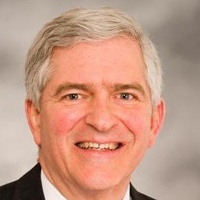
Daniel Webster
Representative
FL-11
The USA Act strengthens the role of the National Institute of Standards and Technology (NIST) in promoting open, transparent, and private sector-led international standards development. It mandates briefings and the creation of a public portal to increase U.S. participation in setting standards for artificial intelligence and other critical technologies. Furthermore, the Act establishes a pilot program to provide grants for hosting standards meetings within the United States.
USA Act Sets New Strategy for AI Standards and Launches Grant Program to Host Tech Summits on U.S. Soil
The USA Act is a strategic move to ensure that when the world decides the 'rules of the road' for artificial intelligence and emerging tech, those rules are written with American interests in the room. The bill updates the mission of the National Institute of Standards and Technology (NIST), directing it to champion a system that is open, transparent, and led by the private sector rather than government mandates alone. It essentially aims to protect the U.S. 'public-private partnership' model, which has historically allowed American companies to lead the global market by setting the technical benchmarks others follow.
Putting American Tech on the Map
One of the most practical changes in this bill is the creation of a five-year pilot program that puts real money on the table to bring international tech meetings to U.S. cities. Under Section 4, NIST would offer grants to organizations to host major standards-setting conferences here at home. These grants can cover up to 50% of the costs for venue rentals and planning. For a mid-sized tech hub or a professional association, this could be the difference between hosting a global AI summit in Austin or seeing it go to Geneva. By bringing these meetings to the U.S., the bill makes it significantly cheaper and easier for smaller American startups and local experts to participate in the conversations that will define how AI works for the next decade.
A Digital Roadmap for Industry
To help businesses keep up with the dizzying pace of global tech rules, the bill requires NIST to build a one-stop-shop web portal. This isn't just another government landing page; Section 3 mandates it include regularly updated lists of international standards efforts and instructions on how to join them. Think of it as a GPS for a small software developer or a manufacturing firm trying to figure out which international AI safety protocols they need to follow to sell their products abroad. Additionally, federal agencies will now have to report exactly when and where they are participating in these tech discussions, creating a clearer picture of where the government is spending its time and resources.
The Power of the Fine Print
While the bill aims to boost competitiveness, it leaves some significant details to be sorted out behind closed doors. Section 5 gives the NIST Director the power to decide which specific technologies qualify as 'critical and emerging' based on a broad list from the National Science and Technology Council. This means the priority—and the grant money—could shift depending on who is in charge. Furthermore, because the grants are capped at 50% of meeting costs, larger organizations with deeper pockets might still have a leg up in hosting these influential events. For the average person, this bill is a play to keep high-paying tech influence within U.S. borders, but its success depends heavily on how NIST chooses to hand out the keys.