This Act establishes the Lone Star Coastal National Recreation Area in Texas as a National Park System unit, creating a management framework with local partners to conserve coastal resources while protecting existing local economies and private property rights.
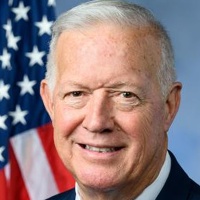
Randy Weber
Representative
TX-14
This Act establishes the **Lone Star Coastal National Recreation Area** in Texas as a unit of the National Park System to conserve natural and cultural resources while expanding public recreation and strengthening the local economy. The management framework emphasizes a **voluntary partnership** between federal, state, and local entities, including private landowners. A key requirement is the development of an **Integrated Resource Management Plan** to guide all activities, with strict prohibitions against using eminent domain for land acquisition. The designation explicitly **saves existing state/local jurisdiction** and protects current private property uses, including infrastructure and resource extraction rights.
Texas Gulf Coast to See New National Recreation Area: Voluntary Land Network and Protected Industrial Access Defined in 2026 Map
The Lone Star Coastal National Recreation Area Act aims to stitch together a massive network of public and private lands across Jefferson, Chambers, Galveston, Brazoria, and Matagorda Counties. Unlike a traditional national park where the government just buys everything up, this bill creates a 'Network' of associated sites that stay in the hands of local owners, non-profits, or the state of Texas, provided they opt-in voluntarily. The goal is to boost the coastal economy through tourism while protecting the marshes and beaches we use for weekend getaways. However, the bill is very careful to say that this isn't a federal takeover; Section 4 explicitly bans the use of eminent domain or condemnation to grab land. If you’re a landowner, you’re only in if you say so in writing.
The Local Driver’s Seat
Management of this new area won't just be a bunch of folks in D.C. calling the shots. Section 6 sets up the Lone Star Coastal Partnership, a 31-member board that includes county judges and local landowners. This group has three years to hand over an Integrated Resource Management Plan to the Secretary of the Interior. For a small business owner in Galveston or a fishing guide in Matagorda, this means the rules for how the area is marketed and managed are being written by people who actually live there. The bill also includes a '3-to-1' matching rule for certain federal funds (Section 5), meaning for every dollar the feds chip in for a project, local or private sources have to find three. This ensures skin in the game but might make it tougher for smaller local non-profits to fund big improvements.
Industry and Recreation Side-by-Side
This isn't a 'look but don't touch' wilderness bill. Section 8 includes heavy-duty 'savings provisions' that protect the status quo for the region’s biggest industries. If you work in oil and gas or on a storm surge project, the bill ensures that the 'National Recreation Area' tag won't block the construction of pipelines, flood control devices, or navigation channels. In a unique twist for federal land, Section 8 also requires the Secretary to allow hunting, fishing, and even off-road vehicle use on newly acquired Park Service lands, provided the previous owner agreed to it. It’s a compromise designed to keep the Gulf’s traditional culture alive while adding the prestige of a National Park Service stamp.
The Fine Print on Protections
While the bill talks a big game about conservation, it takes a bit of a 'light touch' approach to environmental regulation. Section 8 specifically exempts the area from the strictest Clean Air Act protections (Class I status) that usually apply to national parks. This means nearby industrial plants won't face the same level of new emissions hurdles they might otherwise expect. Additionally, while the Secretary can regulate oil and gas extraction on park land (Section 8), the language only calls for 'reasonable regulations,' a term that’s a bit of a gray area. For residents, this means the coast gets a new title and some federal resources, but the heavy industry that drives the Texas economy won't be packing up its bags anytime soon.