This act prohibits the use of federal funds, Treasury borrowing, or Federal Reserve lending to bail out state and local governments facing or at risk of default after January 1, 2026, except in cases of declared disasters.
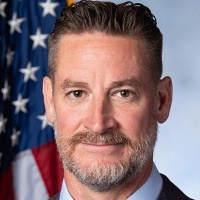
W. Steube
Representative
FL-17
The Government Bailout Prevention Act aims to prohibit the use of federal funds, Treasury borrowing, and Federal Reserve lending to bail out financially distressed state and local governments. This ban applies to entities that default or face default after January 1, 2026, with an exception for assistance provided in response to a declared disaster. The legislation specifically targets debt guarantees and financial assistance to state, municipal, and local entities.
Federal Safety Net Cut: Government Bailout Prevention Act Ends Financial Rescues for Local Districts and States Starting 2026.
The Government Bailout Prevention Act creates a hard line in the sand for local and state finances. Effective January 1, 2026, the federal government would be legally barred from using taxpayer money to purchase the debts, guarantee the loans, or provide emergency grants to any state, city, or school district that is facing bankruptcy or default. This isn't just a suggestion; Section 3 specifically blocks the Treasury and the Federal Reserve from stepping in with lines of credit or bond purchases, effectively telling local governments that if they run out of money, they are on their own. While federal disaster relief remains untouched, the bill removes the 'lender of last resort' backstop that has historically prevented local financial hiccups from turning into full-blown collapses.
The End of the 'Too Big to Fail' Safety Net
Under this bill, the Treasury Secretary is prohibited from using general tax revenue or borrowed funds to help a distressed government entity (Section 3). For a family living in a city facing a budget crisis, this means the federal government can no longer provide a bridge loan to keep the lights on or pay city workers if the local treasury goes dry. If your local school district mismanages its construction bonds or a city’s pension obligations become unsustainable, the federal government is legally handcuffed from intervening. This puts the full weight of financial responsibility—and the consequences of failure—directly on local taxpayers and bondholders.
A Hard Freeze on Federal Reserve Support
The bill goes a step further by stripping the Federal Reserve of its power to assist local governments, regardless of their financial health. Section 3(c) explicitly bans Fed banks from extending credit or purchasing bonds from any entity with taxing authority. This means that even if a local government is generally stable but needs a short-term loan to manage cash flow during a temporary dip, the Fed cannot help. For a construction worker on a municipal project or a small business owner with a city contract, this could mean delayed payments or halted projects if the local government can't find private lenders willing to take a risk without a federal guarantee.
Fiscal Discipline or Local Disaster?
The primary goal here is to force 'fiscal discipline' and stop the 'moral hazard' of local governments overspending with the hope of a federal bailout. By removing the safety net, the bill aims to protect federal taxpayers from paying for the mistakes of distant local officials. However, the real-world trade-off is significant. Without a federal backstop, a city in financial distress might be forced to make drastic cuts to essential services—like trash pickup, road maintenance, or public safety—because they have no other way to balance the books. While the bill clarifies in Section 4 that it doesn't stop regular annual grants or discretionary spending, it leaves a massive gap in the system for when things go south, potentially leaving residents of struggling areas to deal with the fallout alone.