This bill temporarily expands the authorized uses of Veterans Legacy Program grants to allow organizations to help locate, identify, and inter unclaimed veteran remains.
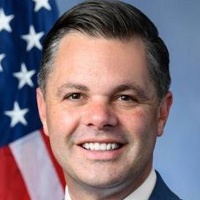
Zachary (Zach) Nunn
Representative
IA-3
This bill temporarily expands the authorized uses of grants from the Veterans Legacy Program. It allows recipients to use these funds to help the VA locate, identify, and inter unclaimed or abandoned remains suspected to be those of a veteran. This expanded authority is only available for a limited time and must be covered by the program's existing budget.
Veterans Legacy Program Grants Expanded to Identify and Bury Unclaimed Veterans Through 2026
This legislation temporarily pivots the focus of the Veterans Legacy Program (VLP) to address a somber reality: veterans whose remains have been abandoned or left unclaimed. Under the new provisions, organizations that already receive VLP grants can now use those funds for three specific tasks: scouting for remains suspected to be veterans, verifying their service status, and coordinating their burial in a VA national cemetery. This isn't a permanent shift, but a targeted window of action that opens the moment the bill is signed and slams shut at the end of the second full fiscal year following its enactment.
Dignity on a Deadline
Think of this as a "search and recovery" mission for those who served but fell through the cracks of the system. For a local non-profit or a veterans' organization, this means they can finally put grant money toward the detective work required to identify a veteran sitting in a cold storage facility or an unmarked grave. It’s a practical fix for a logistical nightmare; instead of remains sitting in limbo because of a lack of paperwork or funding, these grants provide the financial gas to get them to a national cemetery where they receive full honors. For a community volunteer or a local coroner, this provides a direct line of support to ensure no veteran is left behind simply because they didn't have next of kin to advocate for them.
Doing More with the Same
There is a significant fiscal catch in Section 1: the VA cannot ask for extra money to cover these new activities. The bill explicitly states that any costs for locating and interring remains must be absorbed by the existing VLP budget. In the world of government accounting, this means the program has to prioritize these recovery efforts over other potential projects, like educational outreach or commemorative events, without a bigger slice of the federal pie. It’s a "rob Peter to pay Paul" scenario that forces grant recipients to be highly efficient with their current allocations to ensure that identifying the fallen doesn't come at the expense of other legacy missions.
The Paperwork of Peace
The bill keeps things tight by sticking to the established definitions of the Veterans Legacy Program found in Public Law 116-107. By using existing legal frameworks, the bill avoids the usual bureaucratic lag of creating new definitions or departments. For the average citizen or the family of a long-lost service member, this means the impact should be felt relatively quickly. The goal is straightforward: use the infrastructure we already have to solve a specific, heartbreaking problem, provided it can be done within the current budget and the two-year timeframe.