The PRIDE Act of 2026 expands federal diversity and inclusion requirements within financial agencies to explicitly include LGBTQI individuals and LGBTQI-owned businesses by renaming and updating the Office of Minority and Women Inclusion.
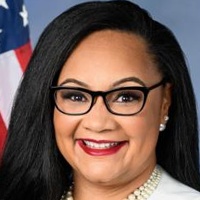
Nikema Williams
Representative
GA-5
The PRIDE Act of 2026 officially renames the Offices of Minority and Women Inclusion at certain federal financial agencies to the Office of Minority, Women, and LGBTQI Inclusion. This expansion explicitly incorporates LGBTQI individuals and LGBTQI-owned businesses into existing diversity, inclusion, and contracting requirements. The bill adds specific definitions for "LGBTQI" and "LGBTQI-owned business" across relevant statutes.
PRIDE Act of 2026 Expands Federal Diversity Mandates to Include LGBTQI-Owned Businesses and Workers
The PRIDE Act of 2026 shifts the scope of federal financial oversight by expanding the mission of the existing Office of Minority and Women Inclusion. Under this bill, the office is renamed the Office of Minority, Women, and LGBTQI Inclusion. This isn't just a name change; it explicitly weaves sexual orientation and gender identity into the legal framework that governs how federal financial agencies—like the Federal Reserve or the SEC—handle their hiring, contracting, and internal diversity standards. By updating the Dodd-Frank Act, the bill ensures that LGBTQI individuals are formally recognized alongside women and minorities in the push for a more representative financial sector workforce.
New Seats at the Table
For small business owners and contractors, the bill introduces a specific legal definition for an 'LGBTQI-owned business.' To qualify under Section 2, a business must be more than 50 percent owned and controlled by LGBTQI individuals, with at least 50 percent of the net profits flowing to them. This matters because it brings these businesses into the fold for federal contracting goals and diversity outreach. If you are a consultant or a tech firm owner who identifies as LGBTQI, you would now be part of the pool that federal agencies are required to actively seek out and include when they are looking for outside vendors or professional services.
From Internships to Executive Suites
The legislation also targets the talent pipeline. It updates the Housing and Community Development Act to ensure that diversity outreach for internships and permanent employment includes LGBTQI individuals. For a young professional or a college student starting their career, this means federal programs designed to place 'talented individuals' into financial regulatory roles will now have a broader mandate to include them. The bill specifically amends the functions of these offices to include 'gender identity and sexual orientation' as core components of their diversity standards, moving beyond the previous focus which was limited to race and gender.
Standardizing the Paperwork
Beyond the social implications, the bill cleans up the bureaucratic fine print to keep things consistent across different laws. It makes conforming amendments to the Federal Housing Finance Regulatory Reform Act and other statutes to ensure the new office name and its expanded mission are recognized everywhere from the table of contents to cross-references in other banking laws. While the bill adds new layers to the diversity requirements of federal agencies, it uses a low level of vagueness, providing clear definitions for 'LGBTQI' (lesbian, gay, bisexual, transgender, queer, or intersex) to ensure that agencies and businesses know exactly who is covered under these new rules.