This bill prohibits federal executive agency employees from intervening in the administration of federal elections unless specifically authorized by law or acting outside their official capacity.
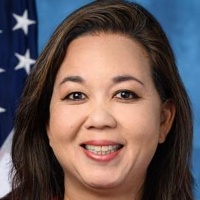
Jill Tokuda
Representative
HI-2
The "Hands Off Elections Act of 2026" prohibits federal executive agency employees from intervening in or directing the administration of federal elections. This ban includes exceptions for specific authorized federal duties and cybersecurity assistance. State chief law enforcement officers are empowered to seek court injunctions to enforce this prohibition.
Hands Off Elections Act of 2026 Bans Executive Branch Employees from Managing Federal Voting Processes
The 'Hands Off Elections Act of 2026' creates a firm boundary between the executive branch and the ballot box. It specifically prohibits employees of executive agencies—think the Department of Labor or the EPA—from participating in or directing the administration of federal elections. While this sounds like a massive shift, it mostly formalizes the idea that the people running the federal government shouldn’t be the ones counting the votes for who leads it. The bill clarifies that this ban doesn't apply if an employee is acting on their own time as a private citizen or if they are performing duties already mandated by existing laws like the Help America Vote Act.
Staying in Their Lane
This policy is designed to keep federal 'day job' duties separate from the machinery of voting. For example, a mid-level manager at the Department of Transportation couldn't be assigned by their boss to help oversee a local polling place in an official capacity. However, the bill is careful not to strip away existing rights or necessary services. It explicitly excludes the U.S. Postal Service from this definition, ensuring that the mail carriers who deliver your absentee ballots can keep doing their jobs without fear of legal trouble. It also carves out a vital exception for cybersecurity: federal experts can still step in to protect voting systems from hackers or technical interference under Section 2.
State Oversight and Local Control
One of the most interesting parts of this bill is how it’s enforced. Instead of relying on federal internal investigations, it gives power to the states. A state’s chief law enforcement officer—usually the Attorney General—can head straight to a U.S. district court to get an injunction if they see a federal employee overstepping these bounds. This means if a state official feels a federal agency is meddling where it shouldn't, they have a direct legal path to stop it immediately. For a local poll worker or a small-town clerk, this adds a layer of protection, ensuring that the people managing the election are the ones legally designated to be there, not uninvited federal personnel.
The Fine Print on Participation
While the bill is quite specific (Level 5 Vagueness: Low), the real-world impact hinges on the definition of 'official capacity.' If you’re a federal employee who wants to volunteer as a poll worker on your day off, the bill says you’re in the clear. The goal isn't to discourage civic engagement, but to prevent the resources and authority of the executive branch from being used to influence how elections are run. By keeping the focus on 'administration'—the actual logistics of voting and counting—the bill seeks to bolster public confidence that the process remains in the hands of local and state authorities rather than the current administration in Washington.