This bill establishes the Foreign Investment Review Authority (FIRA) to monitor foreign countries' compliance with their investment commitments to the United States, ensuring those investments provide a net economic benefit and adhere to ethics standards.
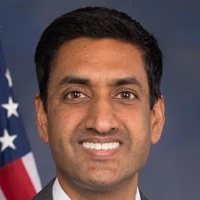
Ro Khanna
Representative
CA-17
This bill establishes the Foreign Investment Review Authority (FIRA) to monitor and track foreign countries' investment commitments made to the United States. FIRA will review these "covered investments" to ensure they provide a "net economic benefit" and comply with federal ethics and transparency laws. The legislation mandates public reporting on commitment progress and grants FIRA the authority to mediate or prohibit non-compliant investments.
New FIRM Act Creates Federal Watchdog to Track $1.4 Trillion in Foreign Investment Promises
The FIRM Commitment Tracking Oversight Board Act creates a new federal agency called the Foreign Investment Review Authority (FIRA) to ensure foreign countries actually follow through on their promises to invest in the U.S. The bill specifically targets massive existing commitments, including $550 billion from Japan and $350 billion from South Korea, requiring these funds to provide a "net economic benefit" to the United States. This isn't just about moving money; the bill sets strict rules for what counts as a good investment, focusing on creating "quality jobs" that pay above the local median wage, offer defined benefit pensions, and remain neutral during union organizing drives. If a foreign country falls short of its multi-billion dollar promises after four years, the President is required to step in and renegotiate the deal.
The "Net Benefit" Bar
Under this plan, a foreign company can't just buy a U.S. warehouse and call it a win. To be considered a "qualified investment," the project must promote domestic growth and use American-made materials rather than just acting as an assembly line for foreign parts (Section 2). For a worker at a new manufacturing plant, this could mean the difference between a high-turnover gig and a "quality job" that includes comprehensive healthcare and a pension. However, the definition of "net economic benefit" is somewhat broad, giving the new FIRA board significant power to decide which projects get the green light and which are blocked. This means a project that might bring jobs to your town could be stalled if the board decides it "undermines" existing U.S. businesses.
Paperwork and Penalties
The bill introduces a heavy layer of transparency for anyone involved in these deals. Investors must disclose every owner and financial advisor involved, and high-ranking U.S. officials—including the President and Cabinet members—must report if they or their family members stand to profit from these investments (Section 5). If an investor forgets to file a quarterly update or a government official hides a financial interest, they could face a massive fine of up to 10% of the entire investment's value. While this keeps things honest, the sheer volume of paperwork and the threat of multi-million dollar fines might make some foreign companies think twice before breaking ground on new U.S. facilities.
The Watchdogs
To keep the process fair, the bill sets up a multi-layered oversight system. FIRA will be led by a bipartisan board, but it also includes a Chief Ethics Officer and a Public Oversight Board that includes a representative from organized labor (Section 3). These watchdogs have "real-time access" to all filings and must respond to public complaints within 30 days. This is designed to prevent backroom deals, but it also adds a lot of cooks to the kitchen. For a local business owner waiting on a foreign partner to clear these hurdles, the 30-day follow-up reviews and potential appeals in district court could mean that "shovels in the ground" takes a lot longer than it used to.