This Act grants state governors and their designees the authority to conduct unannounced health and safety inspections of all immigration detention facilities within their borders.
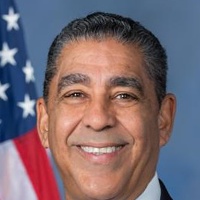
Adriano Espaillat
Representative
NY-13
The Governors’ Right to Inspect Act of 2026 grants state Governors and their designated public health or safety officials the authority to conduct unannounced health and safety inspections of all immigration detention facilities within their borders. This access is strictly limited to observing and documenting conditions related to detainee well-being, explicitly prohibiting interference with federal immigration enforcement operations. Following an inspection, Governors may report findings to Congress, which then requires the Department of Homeland Security to issue a public response regarding any identified deficiencies.
Governors’ Right to Inspect Act Grants States Unannounced Access to ICE Detention Facilities to Address Health and Safety Concerns
The Governors’ Right to Inspect Act of 2026 gives state governors the legal authority to walk into federal immigration detention centers to check on health and safety conditions. This bill specifically targets facilities run by ICE or private contractors, ensuring that states can inspect everything from medical care and food quality to sanitation and sleeping conditions. To make sure this isn't just a symbolic gesture, Section 4 of the bill prohibits the federal government from using any funds to block these state officials from entering. While governors can show up unannounced, other state health officials they designate have to give at least 24 hours' notice before they arrive. This is a direct response to reports of overcrowding and poor conditions, like those seen at the Delaney Hall facility in New Jersey, where a governor was previously denied entry.
The Inspector’s Toolkit
Under this bill, authorized state officials aren't just there to look around; they have specific powers to dig into how a facility is actually running. According to Section 4, they can speak privately with detainees to get the real story on their treatment, review medical and maintenance records, and take photos to document what they see. Imagine a state health inspector who usually checks out local restaurants or hospitals—this law essentially gives them a similar pass to look under the hood of federal detention centers. However, there are clear boundaries: inspectors can't interfere with actual immigration cases, release anyone, or mess with federal law enforcement operations. It’s strictly a "health and safety" check-up to ensure people aren't being held in sub-standard conditions.
Accountability in the Spotlight
Once an inspection is done, the findings don't just sit in a drawer. Section 7 allows governors to send detailed reports to major congressional committees and local representatives. These reports will include observations on problems found and recommendations for how to fix them. To keep things moving, the Secretary of Homeland Security has 60 days to respond to any issues identified in these reports. Both the reports and the government’s responses must be posted on the DHS website for the public to see. If a facility tries to play gatekeeper and denies access, Section 8 gives the state the power to sue in federal court to force the doors open.
Balancing Security and Transparency
While the bill pushes for openness, it doesn't ignore the fact that these are secure facilities. Within 90 days of the law passing, the government has to set up security protocols, which might include escorting officials or restricting photos in sensitive areas. The catch is that these rules can't be used as a loophole to effectively block the inspections. One important detail for the legal-minded: while governors can sue for access, Section 8 explicitly states that the detainees themselves cannot use this law to file their own lawsuits. This keeps the power of the Act firmly in the hands of state leadership to act as the primary oversight body for the facilities operating in their backyards.