This bill appropriates funding for the Departments of Labor, Health and Human Services, and Education for FY 2027 while imposing numerous policy riders affecting workplace safety, medical research, student loan terms, and institutional conduct.
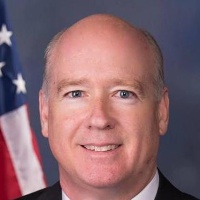
Robert Aderholt
Representative
AL-4
This bill appropriates funding for the Departments of Labor, Health and Human Services, and Education, along with related agencies for Fiscal Year 2027. It sets spending levels for critical areas like job training, medical research, public health, and K-12 education. The legislation also attaches numerous policy riders that restrict activities related to abortion, diversity initiatives, student loan subsidies, and research into certain public health topics.
Massive 2027 Funding Bill Cuts Student Loan Subsidies and Heat Safety Rules While Boosting Medical Research
The 2027 Appropriations Act is a trillion-dollar behemoth that keeps the lights on for the Departments of Labor, Health, and Education, but it comes with a massive side of policy shifts that will hit your wallet and your workplace. The bill funnels nearly $50 billion into the NIH for cancer and Alzheimer’s research and puts $8.8 billion toward childcare grants, yet it simultaneously pulls the plug on several long-standing protections. From how much your student loans cost to how your boss handles a heatwave, this legislation isn't just about moving money—it’s about changing the rules of the game for the next year.
The Real Cost of a Degree
If you or your kids are planning on heading to college after July 1, 2027, the math on student loans is about to get uglier. Title III of the bill officially ends new subsidized federal student loans for undergraduates. Currently, the government covers the interest while you’re in school; under this bill, interest starts ticking the second that money hits your account. While you can still borrow the same total amount, you’ll be graduating with a much larger balance thanks to years of accrued interest. Additionally, the bill hits the brakes on recent student loan forgiveness rules, effectively keeping older, stricter standards in place for borrowers seeking relief.
Workplace Safety and the Overtime Shuffle
For those working in the trades or disaster recovery, the fine print in Title I is a mixed bag. The bill explicitly blocks OSHA from spending any money to enforce federal heat safety standards, meaning if you’re working construction or roofing during a record-breaking summer, those federal protections against heat illness won't be there to back you up. Furthermore, if you’re a claims adjuster working a disaster site, you could lose your eligibility for overtime pay for up to two years post-disaster. On the flip side, the bill does double down on apprenticeships with $290 million in funding and sets aside $60 million for workers in struggling regions like Appalachia to help them pivot to new careers.
Healthcare Priorities and Privacy Shifts
In the doctor’s office and the classroom, the bill draws some hard lines. It puts a total freeze on funding for gender-affirming care research for youth and sets strict limits on abortion-related services, only allowing federal funds in cases of rape, incest, or life-threatening emergencies. For parents of K-12 students, Title III introduces a mandatory 'parental notification' rule: schools must tell parents if a student wants to change their gender identity or expression, or they risk losing federal funding. While the bill boosts mental health and opioid treatment funding to over $4 billion, it also bans the use of federal money for supervised drug consumption sites and limits research into gun violence prevention.
The Bottom Line on Benefits and Tech
Beyond the big-ticket items, this bill reaches into your tech and your taxes. It bars the government from buying computers or video gear from Chinese-owned companies and cuts off funding for U.S. universities that partner with Chinese institutions on STEM projects. For seniors, it protects Medicare Advantage plans that choose not to cover abortion, ensuring those plans stay on the menu. However, to pay for some of these shifts, the bill claws back $1.9 billion from ACA exchange fees and $162 million in remaining COVID-19 relief funds. It’s a classic case of giving with one hand while taking with the other, leaving everyday citizens to navigate a more expensive and less regulated landscape.