This bill protects independent music creators by allowing them to collectively negotiate fair licensing terms with dominant online music platforms and generative AI companies without facing antitrust liability.
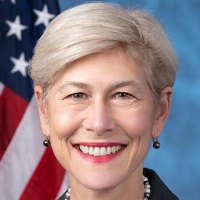
Deborah Ross
Representative
NC-2
The Protect Working Musicians Act of 2026 addresses the imbalance of power between dominant online music platforms and independent music creators. This bill grants independent music copyright owners the ability to collectively negotiate licensing terms without facing antitrust liability. This protection is designed to ensure fair compensation for musicians whose work is distributed online or used by generative AI.
Independent Musicians Gain Collective Bargaining Power: New Bill Targets Tech Giants and AI Licensing in 2026
The Protect Working Musicians Act of 2026 aims to level the playing field for independent artists by allowing them to band together when negotiating with massive streaming platforms and AI companies. Currently, if an independent artist doesn't like the tiny fraction of a cent they get per stream, they’re usually stuck; if they pull their music, the platform barely notices, but the artist loses their audience. This bill creates a legal 'safe harbor' from antitrust laws, meaning small-scale creators—those earning less than $1,000,000 a year from licensing or qualifying as small businesses—can collectively negotiate for better rates or even collectively refuse to license their work to a platform without being sued for price-fixing.
The Power of the Pack
Under Section 3, the bill specifically targets 'dominant online music distribution platforms'—the big names with over $100 million in annual music revenue. For a local indie band or a freelance producer, this is a game-changer. Imagine a group of 500 independent folk artists deciding together that they won't license their music to a specific streaming service unless the payout per play increases. Normally, that kind of coordination could trigger a massive antitrust lawsuit. This bill says that as long as the group is made up of independent creators and the negotiations aren't just about a single price point, they are legally protected. It turns a 'whack-a-mole' struggle for individual royalties into a unified seat at the table.
AI and the Future of Sound
A major addition in this legislation is the inclusion of 'generative artificial intelligence' companies. As AI models are trained on vast libraries of existing music to create new tracks, creators have struggled to get paid for that use. This bill allows songwriters and musicians to negotiate collectively with AI developers who are using their life's work as data. For a session drummer or a songwriter, this means they can demand a group deal for how their 'sound' or compositions are used to train the next big algorithm, rather than trying to fight a multi-billion dollar tech firm solo.
Fine Print and Practical Hurdles
While the bill is a win for the 'little guy,' it does come with some homework. To stay within the law, these collective negotiations must be 'nondiscriminatory among similarly situated' creators. This is a bit of a gray area—who exactly counts as 'similarly situated'? A jazz pianist and a heavy metal drummer might have different market values, and if the negotiations aren't handled carefully, it could lead to internal disputes or legal challenges from the platforms. Additionally, the bill is very specific: it only protects negotiations between creators and the platforms or AI firms. If a major record label tries to jump into the group to flex its muscles, the whole antitrust protection disappears. It’s designed strictly to keep the power in the hands of the people actually making the music.