This Act mandates a report to Congress detailing Moldova's energy landscape, infrastructure vulnerabilities, and renewable energy potential to enhance U.S.-Moldova strategic cooperation.
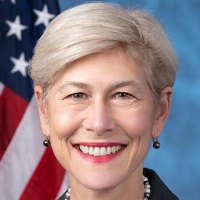
Deborah Ross
Representative
NC-2
The POWER Moldova Act of 2026 directs the Secretary of State and Secretary of Energy to submit a comprehensive report to Congress within 180 days. This report will detail Moldova's current energy landscape, including infrastructure vulnerabilities and pricing transparency. Furthermore, it will assess the potential for developing renewable energy sources in Moldova to enhance its energy resilience.
POWER Moldova Act Mandates Energy Security Deep Dive: New Transparency Report Due in 180 Days.
The POWER Moldova Act of 2026 is essentially a high-stakes research project designed to figure out how to keep the lights on in a strategically vital part of Eastern Europe. With Moldova facing pressure due to the ongoing conflict in Ukraine, the U.S. government wants a clear picture of how the country powers its homes and businesses. Within 180 days, the Secretary of State and the Secretary of Energy have to hand over a comprehensive report to Congress that breaks down everything from where Moldova gets its fuel to how much citizens are actually being charged on their monthly utility bills.
Mapping the Grid
This isn't just a simple tally of power plants. The bill requires a forensic look at Moldova’s energy infrastructure to find the weak spots—the 'vulnerabilities' that could cause a blackout if things go south. It also demands transparency in pricing and billing practices (Section 2). For the average person in Moldova, this could eventually mean more predictable energy costs; for U.S. policymakers, it’s about making sure a strategic partner isn't easily squeezed by outside energy suppliers. Think of it as a home inspection for an entire nation’s power grid before deciding on further investment.
Green Energy and Boots on the Ground
The legislation also looks toward the future by scouting for renewable energy opportunities. It specifically asks for a feasibility study on geothermal, solar, and wind resources, including the cold hard facts on what it would cost to build these systems and what red tape is standing in the way. Beyond the pipes and wires, the bill ties energy security to military cooperation. It tracks how the U.S. is training Moldovan leaders and building partnerships between our military and theirs, focusing on professional education and human rights. It’s a holistic approach that treats energy security as a core part of national defense.