This Act prohibits the federal government from paying judgments or settlements resulting from lawsuits filed by the President or Vice President.
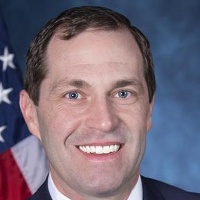
Jason Crow
Representative
CO-6
The Drain the Slush Fund Act prohibits the federal government from paying any judgments, awards, or settlements resulting from lawsuits filed by the President or Vice President. This restriction applies to all current and future cases arising on or after January 20, 2025.
Drain the Slush Fund Act Blocks Federal Payouts for Presidential Lawsuits Starting January 2025
The 'Drain the Slush Fund Act' targets a very specific corner of the federal budget: the money used to pay out legal settlements and court awards. Under this bill, the federal government is strictly prohibited from using taxpayer funds to pay for any judgment, settlement, interest, or legal costs resulting from a lawsuit or claim filed by the President or Vice President. This isn't just for future issues; it applies to any case currently pending in the system and covers any legal cause of action that pops up on or after January 20, 2025. Essentially, it amends Section 1304 of title 31 of the U.S. Code to ensure that if the top two executives decide to sue, the public isn't on the hook for the bill if things don't go their way.
Personal Stakes in the Oval Office
Think of this like a 'you break it, you bought it' policy for the executive branch. Normally, when a federal official is involved in litigation related to their role, the government’s 'Judgment Fund' acts as a massive insurance policy to cover costs. This bill cuts off that safety net for the President and Vice President specifically. For example, if a President filed a defamation claim or a personal business-related lawsuit that resulted in court-ordered costs or a settlement agreement, they would have to find a way to pay those expenses without touching the federal treasury. By making these individuals personally responsible for the financial fallout of their legal choices, the bill aims to increase personal accountability and potentially deter the filing of lawsuits that might be seen as unnecessary or politically motivated.
The Cost of Legal Recourse
While the goal is to protect taxpayer dollars, the absolute nature of this prohibition—meaning there are no exceptions—could change how the President and Vice President handle legitimate legal grievances. If you’re an attorney representing the Commander-in-Chief, you might think twice if you know the government won't be footing the bill for settlements or interest. This could lead to a situation where the President or Vice President faces a massive financial burden for pursuing a case that a regular citizen might handle through insurance or standard legal protections. Because the bill doesn't distinguish between a lawsuit filed over a personal matter versus one filed in an official capacity, it creates a high-stakes environment where the personal wealth of the officeholder becomes a major factor in their ability to seek justice in court.