The Careworker Visa Act of 2026 establishes a new "W" nonimmigrant visa category to address labor shortages by allowing qualified foreign nationals to work in the U.S. as childcare, eldercare, or disability support providers.
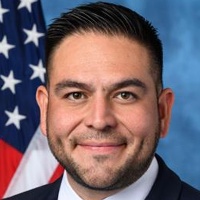
Gabriel (Gabe) Vasquez
Representative
NM-2
The Careworker Visa Act of 2026 establishes a new "W" nonimmigrant visa category to address the critical national shortage of childcare, eldercare, and disability support workers. This program allows families and small caregiving businesses to sponsor qualified foreign nationals for temporary employment while ensuring robust wage protections and workplace rights. The bill also includes comprehensive whistleblower protections to prevent exploitation and provides a structured pathway for eligible careworkers to maintain and renew their legal status.
Careworker Visa Act of 2026: New 'W' Visa Aims to Fill 100,000 Childcare and Eldercare Roles Annually
The Careworker Visa Act of 2026 is a direct response to the massive shortage of people available to help with our kids, our aging parents, and neighbors living with disabilities. It creates a brand-new visa category, the 'W' visa, allowing up to 100,000 foreign workers per year to come to the U.S. specifically for home-based or small-group caregiving. Unlike typical work visas that favor big corporations, this one is designed for the rest of us: individual families hiring a nanny or eldercare assistant, and small businesses with fewer than 25 employees, like local daycare centers or group homes. To keep things fair for the local workforce, the Department of Labor must first certify that there aren't enough U.S. workers available for the job before a visa is issued (Sec. 4).
A Lifeline for the 'Sandwich Generation'
For the millions of us stuck in the 'sandwich generation'—simultaneously raising kids and managing an aging parent’s health—this bill could be a game-changer. If you’re a family looking to hire, you’ll need to prove you can handle the payroll by submitting three years of tax returns and paying a 'prevailing wage' set by the government (Sec. 4). This ensures that caregiving isn't just informal, under-the-table work, but a legitimate, regulated job. For a working mom or a son managing his father’s dementia care, this could mean finally finding reliable, legal help that allows them to stay in their own careers without burning out.
The Fine Print on Protections and Costs
While the bill opens doors, it also sets high bars for who can hire. You’re disqualified from sponsoring a worker if you’ve had serious labor violations or safety issues in the last two years (Sec. 4). For the workers themselves, the bill includes a '90-day grace period.' If a careworker leaves a job, they have three months to find a new eligible employer without losing their legal status. It also includes specific whistleblower protections (Sec. 5) to prevent employers from using immigration status as a threat to force long hours or unsafe conditions. This is a big step toward professionalizing a sector that has historically been prone to exploitation.
Modernizing the Status Quo
One of the most interesting parts of this bill is who can apply from inside the U.S. People who were present as of January 1, 2024—including DACA recipients and those currently without status—could potentially adjust to this new 'W' visa if they have a qualifying job offer (Sec. 4). They’ll have to pay back taxes and a $500 fee, but it provides a way to move into the legal workforce. The big question mark is implementation: the Secretary of Homeland Security has broad authority to define 'humanitarian reasons' for certain waivers, and the Department of Labor will need a massive surge in resources to actually investigate wage theft and verify local labor shortages effectively. For families, the success of this bill will come down to whether the 90-day processing goal for petitions actually holds up in the real world.