This bill establishes federal restrictions and penalties for operating unmanned aircraft systems over major U.S. seaports to enhance national and economic security.
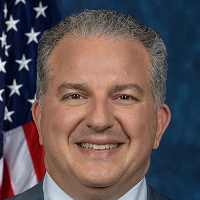
Jimmy Patronis
Representative
FL-1
The Seaport Security Act of 2026 establishes federal restrictions on operating unmanned aircraft systems (drones) over major U.S. seaports to counter national security and smuggling risks. This law prohibits unauthorized drone flights up to 1,000 feet above covered port airspace, with specific exceptions for authorized government or emergency operations. Violators face significant civil penalties up to \$25,000, and willful or malicious violations can result in criminal charges and up to ten years in prison.
Seaport Security Act of 2026: New Drone Bans Near Major Docks Could Lead to $25,000 Fines and Prison Time
The Seaport Security Act of 2026 establishes a strict federal no-fly zone for drones over more than 300 major U.S. seaports. Under this bill, operating an unmanned aircraft within 1,000 feet of the ground at any seaport that handles at least one million tons of cargo or hosts multi-day cruise ships becomes a federal offense. Beyond just altitude limits, the law bans any drone activity that 'interferes with' or 'degrades' seaport operations, giving authorities the power to seize or disable drones they deem a threat. While the goal is to prevent smuggling and terrorism, the bill introduces heavy-duty penalties, including civil fines of up to $25,000 and criminal sentences ranging from two to ten years in prison.
The New No-Fly Zones
This isn't just about the big shipping hubs in Los Angeles or New Jersey. The bill defines a 'covered seaport' as any facility that moves a million tons of cargo or handles overnight cruise passengers. For a local photographer or a small business owner using drones for real estate shots or delivery near a waterfront, this creates a massive invisible wall. The restricted airspace starts at the ground and goes up 1,000 feet, but there’s a catch: Section 3 allows the FAA Administrator to expand that area whenever they decide it’s necessary to protect infrastructure. This means the boundaries of where you can and cannot fly could shift without much warning for the average hobbyist.
Who Gets a Pass?
Not everyone is grounded. Federal agencies like the Coast Guard and Department of Defense have a green light to fly. State and local police can also operate drones if they notify the FAA and Coast Guard first. If you’re a commercial drone pilot working for the seaport itself, you can still fly, but you’ll need a specific FAA waiver and must provide advance notice. There is also a 'good Samaritan' clause for emergencies—if someone is in immediate danger, you can launch a drone to help, provided you call the authorities as soon as possible afterward. For everyone else, from the casual weekend flyer to the tech startup testing new hardware, the waterfront is essentially off-limits.
High Stakes for Simple Mistakes
The enforcement section of this bill is where things get real for everyday people. If you accidentally fly your drone into a restricted zone, you’re looking at a civil penalty of up to $25,000 per violation (Section 3). If the government decides you 'willfully' violated the law, you could face two years in federal prison. The most serious charge—ten years in prison—is reserved for those intending to surveil or disrupt operations. The challenge here is the bill’s vague language regarding what it means to 'degrade' or 'interfere' with seaport communications. A hobbyist whose drone signal accidentally crosses a port’s frequency could find themselves in a very expensive legal battle trying to prove they weren't a security threat.