This Act establishes a nonregulatory partnership program and a voluntary grant program to coordinate and fund restoration and protection activities across the five-state Connecticut River Watershed.
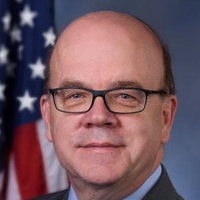
James "Jim" McGovern
Representative
MA-2
This Act establishes the nonregulatory Connecticut River Watershed Partnership program to coordinate restoration and protection activities across the five-state region. It also creates a voluntary grant program to fund projects focused on habitat restoration, water quality improvement, and community resilience. The legislation emphasizes collaboration with federal, state, Tribal, and local partners, with special consideration for environmental justice communities. Funding is authorized through 2030 to support these coordinated conservation efforts.
Connecticut River Watershed Act Boosts Local Conservation with 90% Federal Funding for Priority Communities
The Connecticut River Watershed Partnership Act establishes a massive coordination effort across five states—Connecticut, Maine, Massachusetts, New Hampshire, and Vermont—to clean up the river and protect the land around it. Within 180 days, the Secretary of the Interior must launch a formal partnership program to restore fish and wildlife habitats, improve water quality, and build up natural defenses against flooding and rising sea levels. This isn't just about the water; it covers everything from carbon sequestration on working farms to expanding bike lanes and sidewalks that lead to the river. It’s a comprehensive attempt to get federal, state, and local players on the same page instead of working in silos.
A Green Boost for Local Budgets
The centerpiece of this bill is a voluntary grant program that puts real money on the table for local governments, nonprofits, and universities (Section 4). While most federal grants require a heavy 50/50 match, this bill sets the standard federal share at 75%. Even better, if a project serves an "environmental justice community"—defined in Section 2 as areas with significant low-income or minority populations facing higher health risks—the feds will pick up 90% of the tab. In cases of extreme financial hardship, the Secretary can even waive the local match entirely. This means a small town or a local nonprofit that previously couldn't afford a million-dollar riverbank restoration might only need to find $100,000, or potentially nothing at all, to get the job done.
From Farm Fields to Fishing Holes
The bill lists specific goals that hit home for everyone from trade workers to office commuters (Section 3). For the weekend angler or hiker, it focuses on expanding public access for hunting, fishing, and wildlife viewing, particularly in underserved urban areas. For farmers, it provides support for "farmland conservation and food equity," helping them implement climate-resilient practices and keep working lands productive. It also explicitly recognizes Tribal ecological knowledge, ensuring that the indigenous groups who have lived in the watershed for generations have a seat at the table and that their traditional cultural practices are promoted and protected.
Keeping the Receipts
To make sure this doesn't become another bureaucratic black hole, the bill includes some strict guardrails. Section 6 mandates that at least 75% of all money appropriated must go directly into the grant program and technical assistance, rather than getting swallowed by administrative overhead. It also specifies that this money must be "additional," meaning the government can't cut existing river funding just because this new program exists. While the bill is broad—which leaves some room for interpretation on which specific projects get prioritized—the requirement for annual reports to Congress ensures there’s a public paper trail of exactly where every dollar is going and which communities are seeing the benefits.