The BLANCHE Act of 2026 strictly controls and prohibits federal payments to the President resulting from any settlement with the United States, requiring mandatory federal court approval for any such agreement.
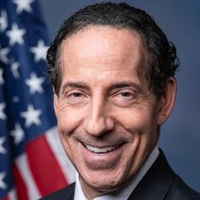
Jamie Raskin
Representative
MD-8
The BLANCHE Act of 2026 strictly regulates and prohibits any settlement where the federal government pays the sitting President or a third party at the President's direction to resolve a claim against the United States. Any such agreement must be reviewed and explicitly approved by a federal court after a public hearing to ensure the parties are truly adverse and the settlement is in the interest of justice. These rigorous standards apply retroactively to all existing and future agreements between the President and the United States.
BLANCHE Act Targets Presidential Payouts: New Rules Require Court Approval for All Settlements with the President
The BLANCHE Act of 2026—short for the 'Block Lawless Agreements and Nullify Corrupt Handouts and Emoluments Act'—is a heavy-hitting piece of legislation designed to stop any President from getting a paycheck from the federal government via legal settlements. Specifically, Section 2 of the bill bans the United States from entering into any agreement, whether it's a civil lawsuit or an administrative claim, that results in money or 'in-kind' benefits flowing to the President or a third party they choose. This isn't just about cash; it covers everything from damages and reimbursements to attorneys’ fees. If a President sues the government they lead, this bill ensures they can't simply walk away with a taxpayer-funded check without jumping through some serious legal hoops.
Putting the Brakes on Backroom Deals
To make sure these settlements aren't just a way for the executive branch to pay itself, the bill mandates that any agreement is 'void ab initio'—legally dead on arrival—unless a federal court signs off on it. Even if a lawsuit hasn't been filed yet, the President would have to start a formal civil action and present the terms to a judge. The court is then required to hold a hearing and prove that the President and the U.S. government are 'truly adverse.' Think of it like a divorce court ensuring the two parties aren't secretly colluding to hide assets; the judge has to find that the U.S. actually tried to defend itself and that the whole thing isn't just a 'fraud on the court.' For a busy professional or a trade worker, this means your tax dollars are protected by a judicial 'referee' who has to verify the fight is real before any money changes hands.
The Retroactive Reach and Real-World Friction
One of the most intense parts of this bill is its 'retroactive' clause. It applies to agreements made before, on, or after the bill becomes law. This is a big deal because it could potentially reopen closed cases or throw existing financial arrangements into a tailspin. For example, if a former President had a settled dispute regarding property or expenses years ago, those terms might suddenly be called into question. While the goal is to prevent self-dealing, the broad language and subjective terms like 'interest of justice' give federal judges a massive amount of power over the Presidency. This could create a bottleneck in the legal system, where legitimate disputes—say, a disagreement over personal property damaged during a term—become multi-year court battles just to prove they aren't 'collusive.'
Who Wins and Who Waits?
The clear winners here are the federal courts, which gain a new level of oversight, and the public, who get a layer of transparency into how the President interacts with the Treasury. However, the bill creates a unique set of headaches for the legal teams involved. Attorneys representing the President or the government would face a much higher bar for evidence, and the process of settling even a minor claim would become significantly more expensive and time-consuming. For the average citizen, this bill acts as a high-tech alarm system for the national checkbook, but the trade-off is a more complicated, potentially slower legal process that relies heavily on a judge’s personal interpretation of what is 'fair' and 'adversarial.'