This act expands the Gun Free School Zones Act to include early childhood education programs and preschools under the definition of a "school zone."
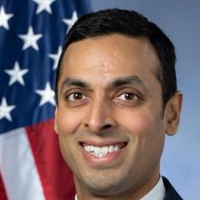
Suhas Subramanyam
Representative
VA-10
The Protect Every Preschooler Act of 2026 expands the existing Gun Free School Zones Act to include early childhood education programs and preschools. This amendment broadens the definition of a "school" to ensure these younger educational settings are covered under federal gun-free zone restrictions.
Protect Every Preschooler Act Expands Gun-Free Zones to Include Early Childhood Centers and Preschools by 2026
The Protect Every Preschooler Act of 2026 updates federal law to ensure that the same firearm restrictions protecting K-12 students apply to our youngest learners. By amending Section 921(a)(27) of Title 18, the bill broadens the definition of a 'school' under the Gun-Free School Zones Act. Currently, federal law primarily focuses on elementary and secondary education; this bill officially pulls preschools and early childhood education programs into that protective bubble, making it a federal offense to knowingly possess a firearm in these zones.
Expanding the Safety Perimeter
This change isn't just a minor tweak; it’s a significant shift in how the law views childcare spaces. Under Section 2, the bill incorporates definitions from the Higher Education Act of 1965 to identify exactly which programs qualify. This includes 'early childhood education programs' and 'eligible preschool programs.' For a parent dropping their three-year-old off at a local Head Start or a state-funded pre-K, this means the 1,000-foot 'gun-free zone' perimeter that usually surrounds the local high school now applies to their child’s daycare center as well.
Practical Impacts for Families and Providers
For the average person, this bill simplifies the legal landscape. If you are a licensed childcare provider operating a preschool program, your facility would now carry the same federal weight as a public elementary school regarding firearm prohibitions. This eliminates the 'gray area' where a toddler’s classroom might have had fewer federal protections than a teenager’s locker room. For residents living near these centers, the rules of the road change slightly: the federal restrictions on carrying firearms within 1,000 feet of a school (unless on private property or with a specific state license) would now trigger around these early childhood sites.
Consistency in the Law
By linking the new definitions to the Higher Education Act of 1965, the bill avoids creating new, confusing bureaucratic categories. It uses established legal language to ensure that 'eligible preschool programs'—those typically serving children from birth through age five—are recognized consistently across federal agencies. This move addresses a long-standing gap in federal policy, ensuring that safety regulations keep pace with the reality that education starts long before a child reaches the first grade.