This bill establishes a federal right to record, observe, or peacefully protest law enforcement activities and creates civil remedies for violations of that right.
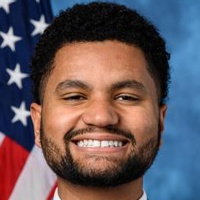
Maxwell Frost
Representative
FL-10
This bill, the "Right to Record Act of 2026," establishes an explicit federal right to record, observe, or peacefully protest federal law enforcement activities in public view. It creates a civil cause of action allowing individuals to sue officers and the United States for violations of this right, including provisions for statutory damages and attorney's fees. The Act mandates training for federal officers and requires courts to interpret its provisions broadly to protect these expressive activities.
New 'Right to Record' Act Creates $25,000 Penalty for Federal Officers Who Block Your Camera
The Right to Record Act of 2026 establishes a clear federal right for you to record, observe, or peacefully protest federal law enforcement officers while they are working in public. Under this bill, if a federal agent—like a TSA officer at the airport or a Border Patrol agent—stops you from filming or retaliates against you for watching them, you can sue both the officer and the federal government. The bill sets a high bar for accountability, allowing for statutory damages of $25,000 per violation, which jumps to $100,000 if the officer acted with malice. This isn't just about cameras; it covers everything from taking notes to standing nearby to watch an arrest, provided you aren't physically tripping up the officer or blocking their path.
Accountability With a Price Tag
This bill changes the game by waiving 'sovereign immunity,' a legal shield that often makes it incredibly hard to sue government agencies. If an officer violates your rights, the U.S. government itself becomes liable for the damages, regardless of whether the agency had a specific policy telling the officer to behave that way (Section 3). For a regular person, this means if a federal agent illegally seizes your phone or deletes your footage, you have a direct path to a courtroom and a mandated payout if you win. The bill also requires the government to cover your attorney’s fees, making it financially feasible for everyday citizens to hold powerful agencies accountable without draining their own bank accounts.
Defining the No-Go Zones for Officers
To keep things clear, the legislation lists exactly what federal officers cannot do in response to you filming or protesting. Prohibited actions include threatening to put your info into a biometric database, following you to a new location to intimidate you, or demanding your ID just because you’re watching them. It also explicitly protects your gear; officers are barred from seizing or destroying your recordings without a court order. For example, if you’re documenting a protest at a federal building and an officer tries to force you to delete a video, they would be in direct violation of this Act. The only catch is that you cannot 'physically restrict' the officer, though the bill clarifies that simply standing in an officer's expected path to get a better shot does not count as a physical restriction.
Mandatory Training and Future Impact
Because laws are only as good as the people enforcing them, the bill mandates that every federal law enforcement agency provide annual training on these rights (Section 3). This means agencies like the FBI, DEA, and ICE would have to proactively teach their staff that 'I don't like being filmed' is not a legal reason to intervene. While this creates a new administrative and legal burden for federal agencies and officers—who now face personal and professional liability for these interactions—it aims to create a more transparent environment for the public. For the average person, whether you're a commuter filming a bag search or a community member observing a federal task force, this bill provides a concrete legal safety net that didn't exist before.